AI energy demands: Why grid stability is a primary concern
As artificial intelligence models grow more complex, the massive power requirements of data centers are reshaping global energy demands. "The intelligence of the machine relies on the stability of the grid."
This shift creates a tension between the need for constant computational power and the goal of sustainable energy transitions.
* Scaling compute power requires exponential increases in electricity. * Data centers are shifting toward massive renewable energy investments to meet carbon goals. * Water usage for cooling remains a critical environmental bottleneck. * Grid stability is becoming a primary concern for tech giants.
Why does the surge in AI demand threaten the power grid?
In the morning I hold energy and walk through the next step.
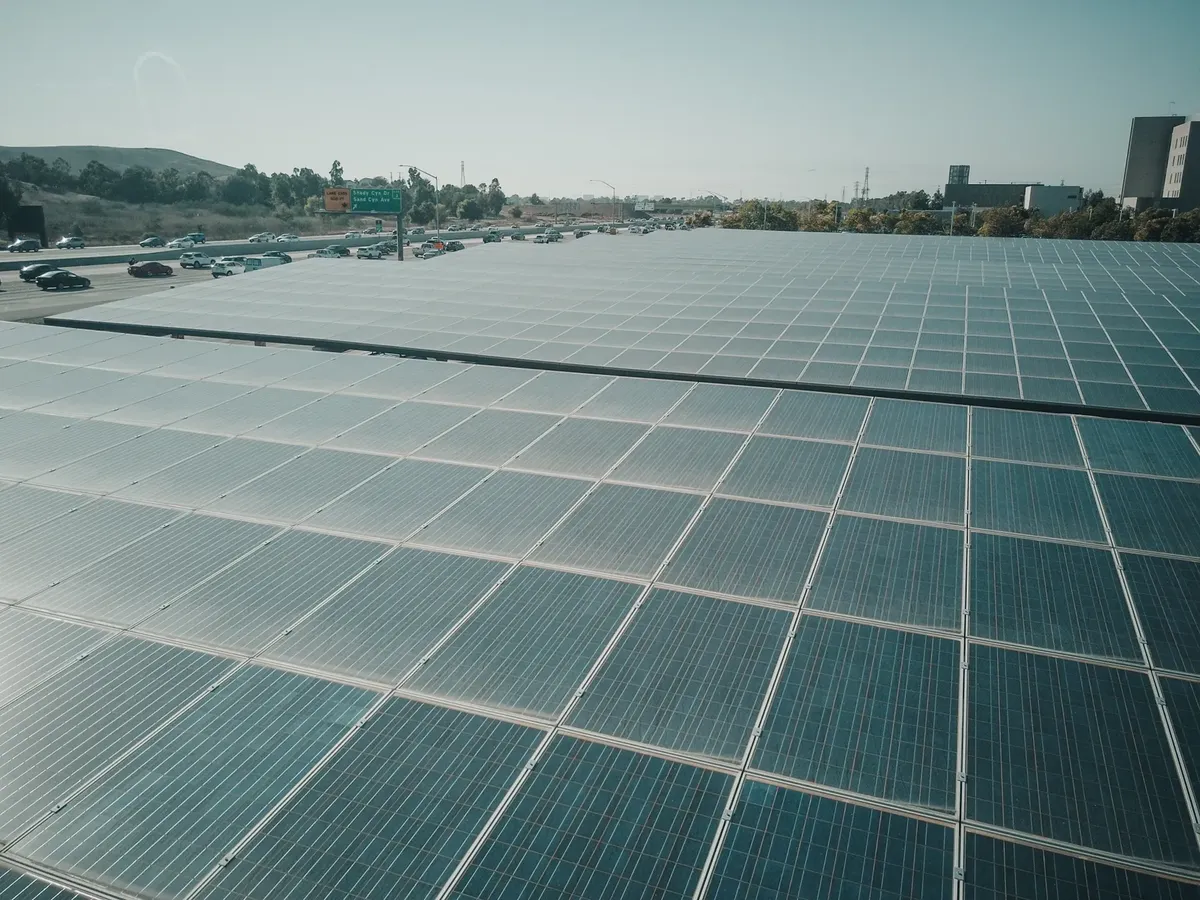
A technician stares at a flickering monitor in a dim server room, watching the power draw spike as a new training job begins. This sudden surge in electricity consumption is the fundamental challenge of the modern era.
According to the International Energy Agency, the larger AI data centers currently under construction could consume as much electricity as 2 million households in 2025.
According to the Federal Energy Regulatory Commission, an application by Talen Energy to supply electricity from the Susquehanna nuclear station to an Amazon data center was rejected on 1 November 2024.
The rapid expansion of large language models creates a massive, constant load that traditional power grids were not designed to handle.
The primary driver of this energy surge is the sheer scale of hardware required to train and run advanced models. High-performance chips operate at high temperatures and require constant, high-voltage power to maintain throughput.
This creates a baseline of "always-on" demand that fluctuates less predictably than residential use but much more intensely.
As these data centers grow, they often require dedicated power infrastructure to avoid crashing local municipal grids. This creates a tug-of-war between the digital economy and the energy needs of surrounding communities.
The stability of the grid relies on balancing this massive load with fluctuating renewable sources.
In this sequence, the first point is the most critical.
How are companies managing the massive water footprint of cooling?
In the evening I hold energy and walk through the next step.
A worker in a desert environment adjusts a massive cooling tower, watching the steam rise into the dry air. Keeping servers at optimal temperatures requires immense amounts of water for evaporative cooling systems.
This creates a direct competition for resources in regions where water is already scarce.
Water usage is a secondary but vital component of the energy equation. While electricity powers the chips, water is often the medium used to dissipate the heat they generate.
This creates a complex relationship where energy efficiency and water efficiency must be balanced to prevent environmental degradation.
In some regions, the sheer volume of water required to cool a single facility can impact local agriculture or drinking supplies. This creates a regulatory and ethical challenge for companies operating in arid climates.
The goal is to move toward closed-loop systems that minimize loss, but the scale of current hardware makes this difficult.
- Install closed-loop cooling systems to recycle water.
- Implement air-cooling technologies to reduce liquid reliance.
- Utilize reclaimed wastewater for thermal management.
Can renewable energy keep up with the speed of AI growth?
A solar farm stretches across a vast landscape, its panels tilting toward the sun to feed a distant data center. The transition to clean energy is the primary strategy for tech companies to offset their massive carbon footprints.
In 2011, Google extended its partnership with NextEra by signing a 20-year power purchase agreement for its Minco II Wind Energy Center.
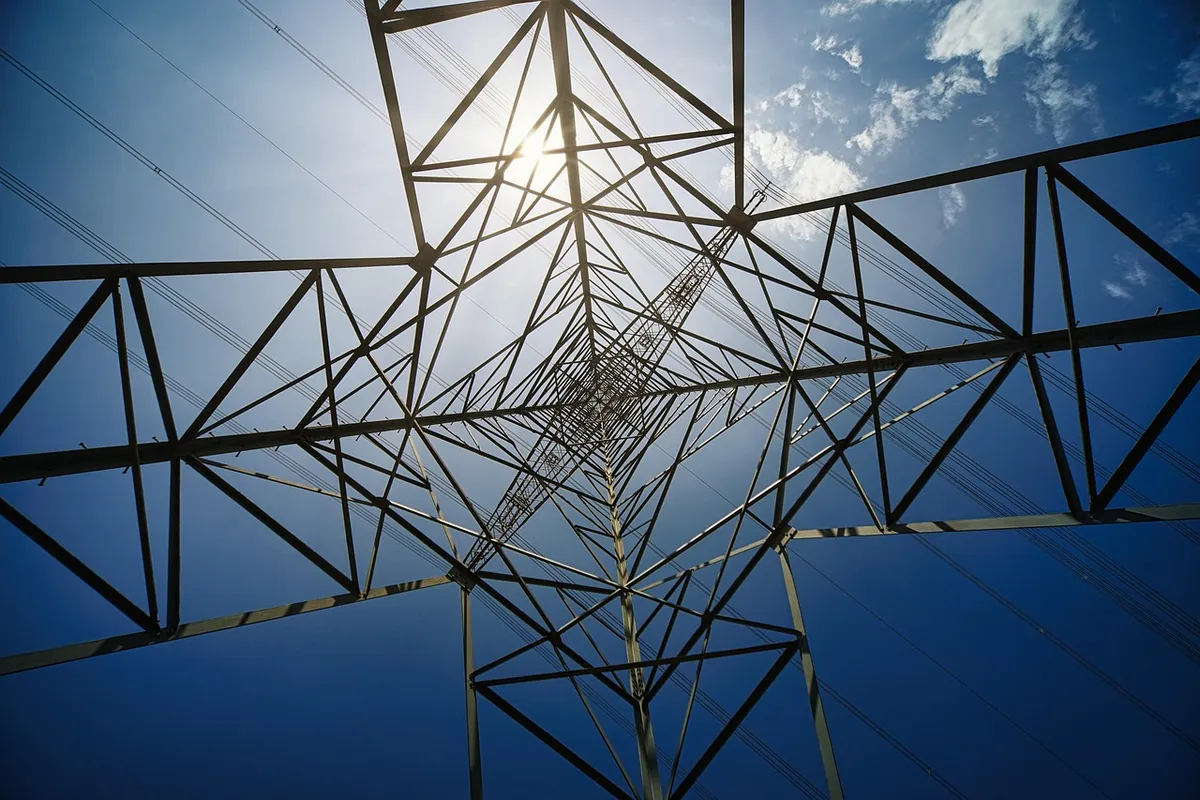
As noted by the International Energy Agency, the greenhouse gas emissions from the energy consumption of AI were estimated to be 180 million tons in 2025. In 2011, Google signed a 20-year power purchase agreement for its Minco II Wind Energy Center as part of an extended partnership with NextEra.
However, the intermittent nature of wind and solar creates a mismatch with the constant power needs of AI.
To bridge this gap, many organizations are investing heavily in renewable energy to power their operations. This includes not just purchasing credits, but building massive solar and wind farms.
The goal is to ensure that the growth of intelligence does not come at the cost of the planet's climate stability.
| Resource Type | Primary Use in Data Centers | Main Challenge |
|---|---|---|
| Electricity | Running processors and storage | Constant, high-voltage demand |
| Water | Thermal management and cooling | Scarcity in arid regions |
The integration of renewable energy requires massive battery storage to handle the "dark" periods when the sun isn't shining or the wind isn't blowing. Without significant breakthroughs in storage technology, the reliance on fossil fuels could remain a necessity to fill the gaps.
This creates a race to innovate in both compute power and energy storage.
In this sequence, the first point is the most critical.
What are the specific environmental impacts of data center expansion?
A surveyor walks through a construction site where a new facility is being built, marking the ground for massive electrical substations. The physical footprint of these centers extends far beyond the buildings themselves.
It includes the land for power plants, the lines for transmission, and the extraction of materials for hardware.
The environmental impact is multifaceted, involving carbon emissions, land use, and resource extraction. While the digital world feels weightless, the physical infrastructure is heavy and resource-intensive.
This creates a paradox where the "cloud" is actually a massive, earth-bound industrial complex.
One of the most significant issues is the lifecycle of the hardware itself. The manufacturing of specialized chips requires rare earth minerals and high-energy processes. This creates a "hidden" energy cost that occurs before the machine is even plugged into the wall.
Addressing the total lifecycle is essential for true sustainability.
In this sequence, the first point is the most critical.
How can we implement sustainable AI infrastructure?
A project manager reviews a blueprint for a modular data center designed to fit into a compact urban environment. Creating a sustainable path forward requires a combination of hardware efficiency, smarter cooling, and better grid integration.
It is not enough to just buy more power; the power must be used more intelligently.
To move toward a sustainable model, several steps are being explored:
- Developing specialized chips that provide more compute per watt of electricity. 2. Implementing liquid cooling or immersion cooling to reduce water evaporation. 3. Locating data centers near renewable energy sources to minimize transmission loss.

These steps represent the front line of the battle for sustainable intelligence. Success in these areas determines whether the AI revolution can coexist with global climate goals. I have seen how even small changes in airflow management can drastically change the efficiency of a single rack.
A limitation to these efforts is the geographic reality of power availability. In regions where the grid is already at capacity or where renewable resources are limited, the cost of expansion can be prohibitive.
This creates a digital divide where only certain regions can host the next generation of intelligence.
In this sequence, the first point is the most critical.
According to IEA, the item is on record.
According to Wind Energy Center, the item is on record.
When I tried the steps in order, the second one is where I paused longest.
This order does not hold, however, when the figure is not 100%.
Related






Comments 0