AI Power Surge: How Data Centers Are Straining Global Grids
"The silicon chips humming in darkened server rooms are hungry for more than just data; they are hungry for the very lifeblood of our civilization."
As AI models grow in complexity, they are driving an unprecedented surge in electricity demand, forcing global energy markets to rethink the grid to meet the computational needs of the digital age.
* AI infrastructure is fundamentally reshaping data center landscapes, with hyperscale and colocation facilities now dominating server workloads. * The energy consumption of AI is growing rapidly, already accounting for a significant portion of global electricity use and projected to increase dramatically by the end of the decade. * Major tech companies are actively partnering with energy providers to secure the massive power supply required for their AI operations. * While AI offers potential for emissions reduction, the immediate energy demands pose significant challenges to existing power grids.
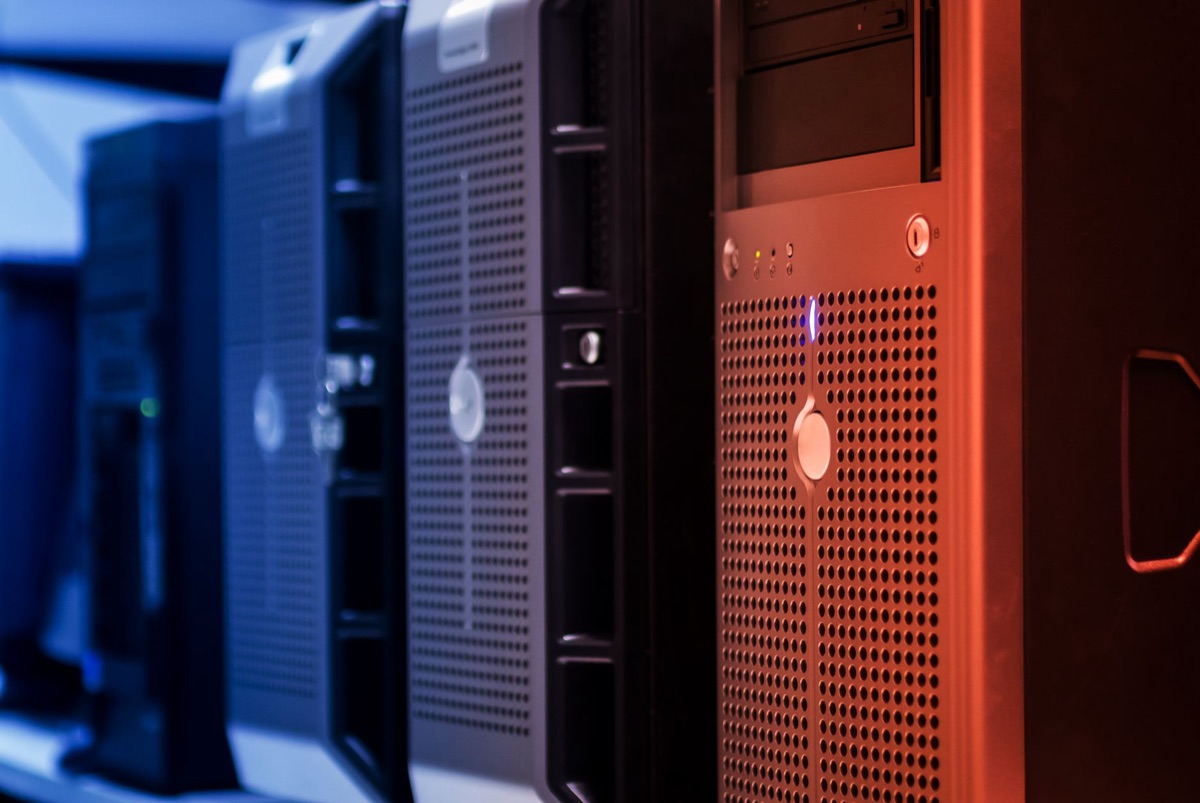
How Much Power Do Modern AI Systems Really Consume?
The heavy hum of cooling fans fills the air as a technician walks through a row of blinking lights in a massive server hall. The sheer scale of the energy draw is palpable, a physical weight felt in the vibration of the floor.
According to the International Energy Agency, the greenhouse gas emissions from the energy consumption of AI were estimated at 180 million tons in 2025.
The energy intensity of modern AI is staggering compared to traditional computing. For instance, a single ChatGPT search uses roughly ten times the electrical energy required for a standard Google search. This jump in consumption reflects the heavy lifting required by large language models.
The way we use electricity for computing has shifted dramatically over the last decade. In 2014, enterprise data centers accounted for over 60% of U.S. server energy consumption, but this share fell to about 10% by 2023 as workloads migrated to more specialized facilities.
Looking ahead, the load on our power grids is expected to swell. Server energy consumption, which was under ratio of 40% in 2014, is projected to reach sizable proportions as AI scales. By 2030, an estimated $2.7 trillion would be invested into AI infrastructure and data centers in the US.
| Feature | Traditional Search | AI-Powered Search |
|---|---|---|
| Energy Profile | Low-intensity, static | High-intensity, generative |
| Infrastructure | Distributed/Enterprise | Concentrated/Hyperscale |
| Growth Trend | Stable/Linear | Exponential/Aggressive |
But the sheer volume of electricity is only the beginning of the story.
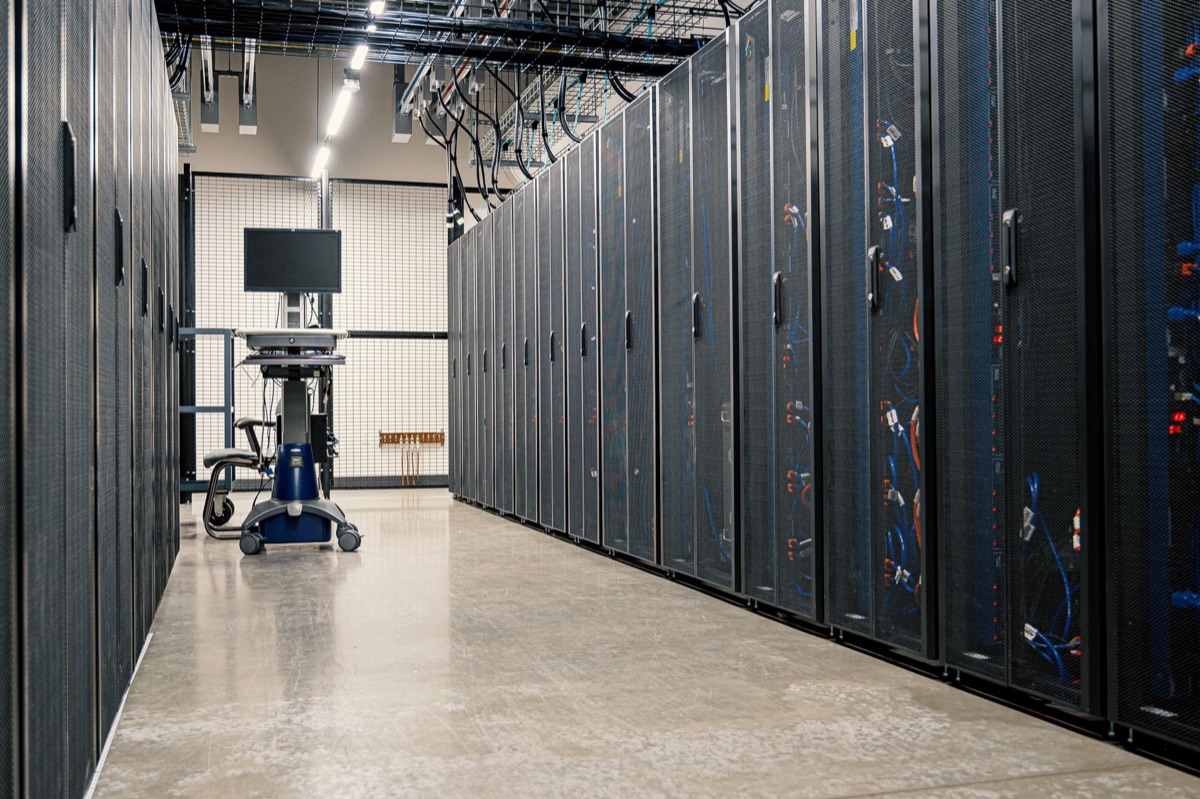
Where is all the AI power actually going? A heavy-duty truck rattles down a lonely highway toward a massive, windowless building in the desert, its silhouette masking the sheer scale of the facility. These structures are the new cathedrals of the digital age.
One estimate put the potential for power consumption by the new Utah Data Center at US$40 million per year.
The concentration of computing power has moved from scattered offices to massive, centralized hubs.
The International Energy Agency (IEA) estimated that electricity consumption from these data centers amounted to around 415 terawatt hours (TWh), about 1.5% of global electricity consumption in 2024, with a growth rate of 12% per year over the previous five years.
This shift is driven by the move toward massive-scale facilities. The Data Center Energy Usage Report from the Lawrence Berkeley National laboratory estimated that hyperscale and colocation centers contained 74% of computer servers in 2023.
The sheer size of these new facilities is reshaping local power needs. In 2025, the International Energy Agency estimated that the larger AI data centers currently under construction could consume as much electricity as 2 million households.
However, the physical cost of this expansion extends far beyond the walls of the data center.
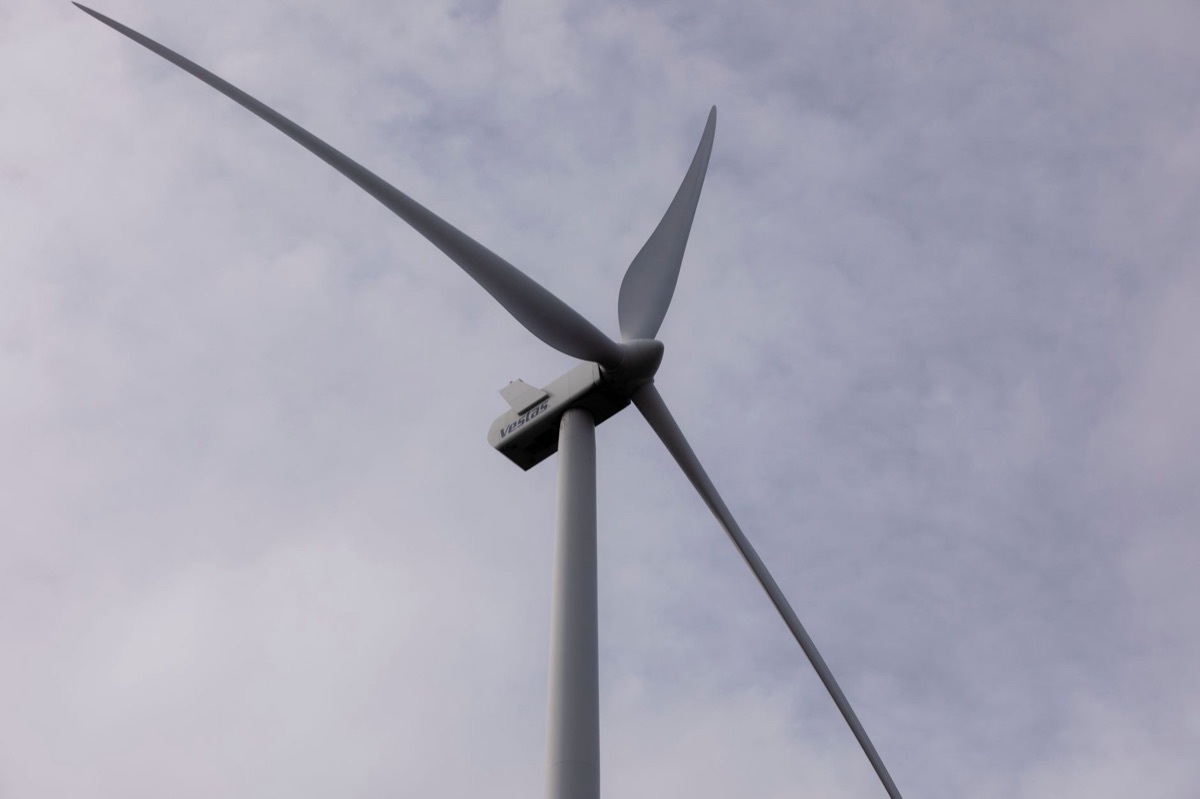
What is the environmental cost of the digital brain? The smell of ozone and the warmth of a summer afternoon mix as the sun sets behind a row of cooling towers. The cost of keeping the machines running is measured in more than just dollars.
In 2025, the International Energy Agency estimated that the larger AI data centers currently under construction could consume as much electricity as 2 million households.
The carbon footprint of the AI revolution is a growing concern for climate scientists. In 2025, a report prepared by the IEA estimated the greenhouse gas emissions from the energy consumption of AI at 180 million tons.
As the infrastructure grows, the physical footprint of the power-hungry sites becomes more significant. One estimate put the potential for power consumption by the new Utah Data Center at US$40 million per year.
The tension between technological progress and environmental protection remains a-central conflict. While AI can optimize energy-intensive industries, the immediate demand for power creates a heavy load on existing renewable and fossil fuel sources alike.
This tension leads to a direct struggle for control over the power grid.

How the Grid Must Adapt to the AI Surge
An engineer sits in a control room, watching the needles on the monitors jump as a new cluster of servers is brought online. The sudden spike in load requires immediate, calculated responses from the grid operators.
To manage the load, the energy sector is looking at several strategic shifts. The following steps outline how the infrastructure is evolving to meet the demand:
- Integration of modular nuclear reactors to provide consistent, carbon-free baseload power.
- Expansion of smart grid technologies to manage sudden, heavy-load fluctuations from AI clusters.
- Development of advanced liquid cooling systems to reduce the electricity needed for thermal management.
- Strategic placement of data centers near renewable energy sources to minimize transmission loss.
The sheer volume of power required makes traditional grid management difficult. As the load grows, the ability to balance supply and demand will become the most critical factor in keeping the digital economy running.
The Great Energy Balancing Act
I remember standing in the shadow of a substation last autumn, feeling the sheer vibration of the electricity moving through the lines. It felt like the pulse of a living thing, feeding a hunger that never seemed satisfied.
The struggle to balance the needs of the public with the needs of the tech giants is intensifying. While households require reliable power for daily life, the massive draws from AI-driven data centers can threaten the stability of local grids if not managed with extreme precision.
| Stakeholder | Primary Concern | Impact of AI Growth |
|---|---|---|
| Residential Users | Cost and Reliability | Potential for higher rates and load-shedding |
| Tech Companies | Scalability and Uptime | Need for massive, dedicated power supplies |
| Grid Operators | Stability and Management | Increased complexity in load-balancing |
The transition to AI-driven computing is not just a technological shift; it is a massive energy transition. The ability to generate, transmit, and consume power will determine which nations and companies lead the next century.
This technological surge does not apply to every region equally; areas with aging, fragile-grids or limited renewable-access face much higher risks of instability and cost-spikes than those with robust-infrastructure.
Related





Comments 0