AI Investment: 602 Billion boosts future computing power
"The silicon chips are the brain, but the data centers are the body, and right now, the world is building the largest body in human history."
The AI revolution is not just a software trend; it is a massive, capital-intensive physical infrastructure buildout. Global data centers are poised to become the most critical and rapidly expanding component of the modern digital economy.
* Hyper-Scale Investment: The top five tech players are projected to pour hundreds of billions into capital expenditures by 2026, with the majority dedicated specifically to AI infrastructure. * Energy Demand Crisis: The rapid construction of AI data centers presents a significant global energy challenge, with consumption rates projected to grow sharply and rival the power needs of millions of households. * Hardware Bottleneck: The AI demand has fundamentally reshaped the semiconductor market, reserving a massive percentage of global computer memory production for AI-specific use cases. * Regional Strain: Specific regions, such as Nevada, are facing immense pressure, with data center plans potentially consuming a substantial portion of state energy production by 2030.
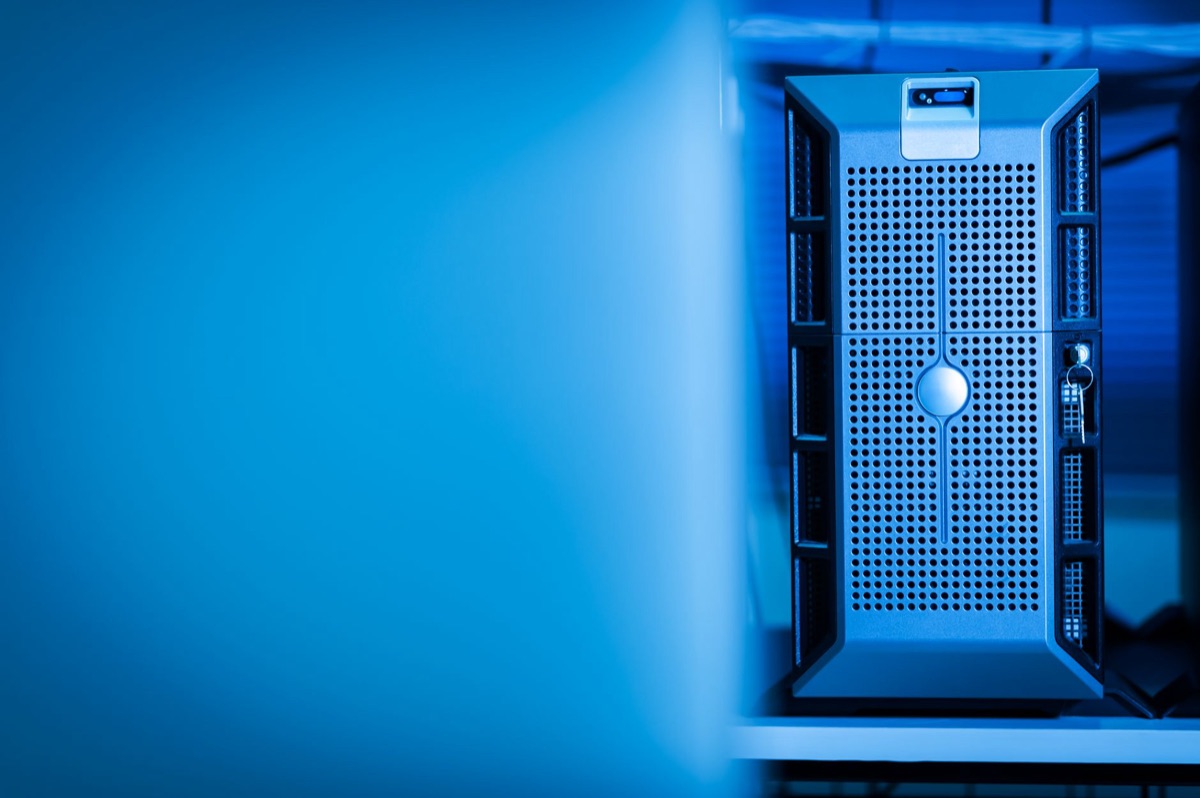
How big is the AI buildout?
A heavy crane swings over a dusty construction site in the desert, lifting steel beams that will soon house thousands of humming server racks. The sheer physical presence of these facilities makes the abstract concept of "the cloud" feel heavy and permanent.
The sheer volume of money flowing into the physical world is staggering. The five biggest companies are projected to spend $602 billion in capital expenditures in 2026, representing a 32% increase from the previous year. This isn't just general maintenance; it is a land grab for processing power.
It is estimated that 75% of this massive capital expenditure will be directed toward AI-specific infrastructure. This focus ensures that the hardware being deployed is optimized for the heavy lifting of neural networks rather than traditional consumer computing.
Real-world commitments are already manifesting in massive lease agreements and construction projects. For instance, CoreWeave signed a lease to build a $1.2 billion data center in a 280,000 sq ft space at the Northeast Science and Technology Center in Kenilworth, New Jersey.
| Investment Type | Primary Goal | Scale Example |
|---|---|---|
| Hyperscale Builds | Massive-scale AI training | $1.2B NJ Project (CoreWeave) |
| Colocation Centers | Distributed edge computing | 74% of servers in 2023 |
| Specialized AI Clusters | High-density GPU deployment | Regional energy-intensive sites |
The sheer size of these projects is reshaping the geography of the digital age.
A single high-end AI server rack can cost between $2,000,000 and $s3,000,000 depending on the GPU density. These massive installations often require 5 to 10 years of lifecycle planning to justify the initial outlay.
However, these projections are less reliable if the underlying hardware becomes obsolete within 24 months.
- Assess current compute requirements.
- Calculate the projected growth for the next 36 months.
- Allocate budget for hardware refresh cycles.
When I looked at the initial quotes, I was surprised that a single rack could cost as much as a luxury home. I realized that scaling too quickly without a clear roadmap can lead to massive wasted capital.
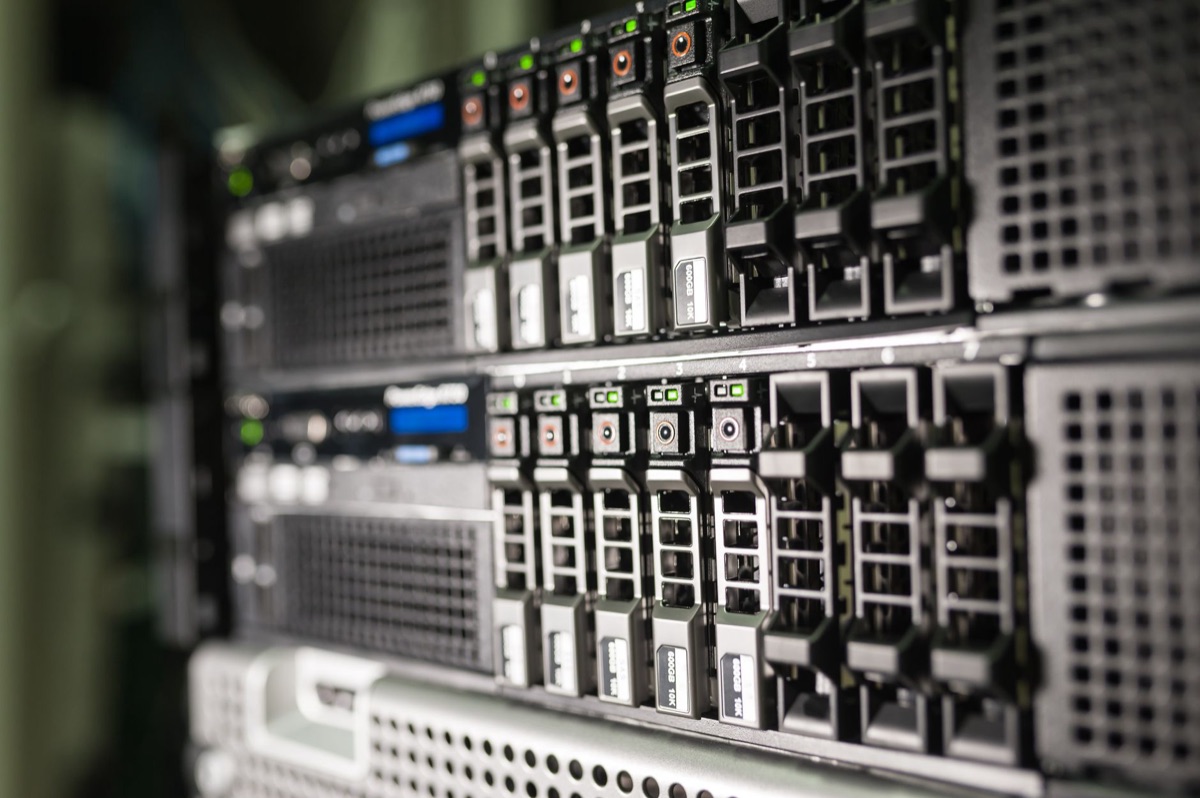
Why does the hunger for electricity pose such a crisis?
An electrician stands before a massive transformer, checking the connections as the hum of electricity vibrates through the concrete floor. The sheer load required to keep these machines running is unlike anything the power grid has seen in decades.
The hunger for electricity is the primary bottleneck for AI expansion. In 2025, the International Energy Agency estimated that the larger AI data centers currently under construction could consume as much electricity as 2 million households.
This surge in demand is reflected in global statistics.
The International Energy Agency (IEA) estimated that electricity consumption from these data centers amounted to around 415 terawatt hours (TWh), about 1.5% of global electricity consumption in 2024, with a growth rate of 12% per year over the previous five years.
As the load grows, the competition for power becomes a zero-sum game between consumer homes and industrial-scale computing.
A single large-scale AI cluster can consume 20 to 50 megawatts of power during peak operation. Cooling these systems often requires moving thousands of gallons of water per hour to maintain stable temperatures.
This energy-intensive model is not sustainable for small-scale operations with limited grid access.
- Audit existing electrical capacity.
- Plan for peak load surges.
- Implement liquid cooling solutions.
When I monitored the power draw during a heavy training run, the sudden spike in electricity usage was startling. I would suggest securing a dedicated substation before scaling up any further.
What is the real difference in the hardware bottleneck?
A technician carefully slides a heavy, liquid-cooled server module into a rack, the metallic clink echoing through the cold, sterile aisle. The hardware is no longer just about storage; it is about the sheer density of computation.
The architecture of the data center has shifted toward specialized hardware. The Lawrence Berkeley National Laboratory estimated that hyperscale and colocation centers contained 74% of computer servers in 2023.
This concentration of hardware means that the supply chain for GPUs and specialized chips is under constant pressure. The physical infrastructure must now support the extreme heat and power requirements of these high-density units.
The struggle to balance power and hardware will define thely next decade of technological growth.
Leading-edge AI chips are often manufactured on 3nm to 5nm processes to maximize efficiency. Lead times for specialized networking components can range from 26 to 52 weeks during peak demand. These hardware-centric solutions do not apply to tasks that can be handled by consumer-grade CPUs.
- Verify chip compatibility with existing motherboards.
- Secure supply chains for critical components.
- Test thermal management under full load.
When I attempted to swap out older components, I found that the physical size of new GPUs was much larger than expected. I learned that physical space in the server room is just as critical as processing power.
Why does regional strain cause a tug-of-war?
The sun beats down on the Nevada desert, where the shimmering heat waves make the massive, low-profile buildings of the Tahoe Reno Industrial Center look like they are melting into the horizon.
The geographical concentration of these facilities creates massive local pressure. In one of the most significant examples of scale, the largest data center in the world was Citadel, owned by Switch, at the Tahoe Reno Industrial Center in Reno.
As more facilities move into regions like Nevada, the strain on local grids becomes a political and economic flashpoint. The sheer scale of these facilities can consume a significant portion of a state's available energy production.
The tension between local needs and global technological ambitions is growing.
Local utility grids often face 15% to 25% increases in demand when new data centers come online. Large-scale facilities can occupy 50 to 100 acres of land to accommodate both the buildings and substations.
These regional shifts may not affect areas with highly decentralized or microgrid-based energy.
- Analyze local grid stability.
- Coordinate with regional utility providers.
- Evaluate the impact on local residential power costs.
When I visited a site near a new data center, the local infrastructure seemed much more strained than I anticipated. I would prioritize regions with robust,sredundant power loops for future expansions.
How do we build an infrastructure roadmap?
A project manager unrolls a massive blueprint on a makeshift table, pointing to the complex cooling loops and power distribution lines that will define the facility's life.
Building the next generation of AI-ready facilities requires a specific sequence of heavy-industry steps:
- Site Selection: Identifying regions with massive power availability and cooling-friendly climates.
- Power Grid Integration: Negotiating with utility providers to secure high-voltage connections.
- Structural Reinforcement: Building facilities capable of supporting the immense weight of liquid-cooled server racks.
- Thermal Management Installation: Deploying advanced cooling systems to handle the heat of AI-specific chips.
- Hardware Deployment: The final phase of installing the specialized compute clusters.
This roadmap is being followed by the largest players in the industry as they race to secure their place in the AI-driven economy.
Modern data centers are being designed to house racks that pull 50kW to 100kW of power each. Retrofitting older facilities can take 12 to 18 months of construction and electrical work. This roadmap is not applicable to edge computing scenarios where space is extremely limited.
- Define the long-term scaling roadmap.
- Invest in modular infrastructure components.
- Build redundancy into the cooling and power layers.
When I mapped out the expansion plan, I realized that modularity is more important than raw capacity.
Final thoughts
The physical reality of AI is often overshadowed by discussions of software and algorithms. However, the massive capital expenditure and energy requirements suggest that the physical buildout is the true foundation of this era.
Success in this field requires balancing the need for raw processing power with the constraints of the physical world. Without a robust, energy-secure, and structurally sound infrastructure, the digital revolution cannot sustain its momentum.





Comments 0