AI rice farming low carbon tips for better yields
"The challenge of feeding a growing population meets the necessity of environmental stewardship in the modern field."
AI rice farming low carbon solutions are emerging as vital tools to balance high yields with environmental protection. This article explores how advanced cultivation methods can address global production needs and emissions.
Key takeaways include the importance of efficient seeding, the impact of production on emissions, and the potential for technological optimization in grain management.
How does AI rice farming low carbon strategy address emissions?

At dawn, the farmer plunges a metal tube into the muddy field to monitor the water levels for the rice.
A farmer stands at the edge of a flooded field, checking the water level against a metal tube to ensure the cycle is perfect. This precise management helps mitigate the environmental footprint of traditional irrigation.
The production of rice is estimated to have caused over 1% of global greenhouse gas emissions in 2022. Managing water levels through specific flooding and drying cycles can help stabilize these atmospheric impacts.
By utilizing data to manage these cycles, growers can move toward more sustainable practices.
A single field requires careful attention to the water depth, often involving flooding to 5 cm and then letting it drop to 15 cm below the surface. This cycle is repeated to maintain the necessary soil conditions. Such precision is essential for managing the environmental cost of the crop.
What are the advantages of AI smart rice farming?
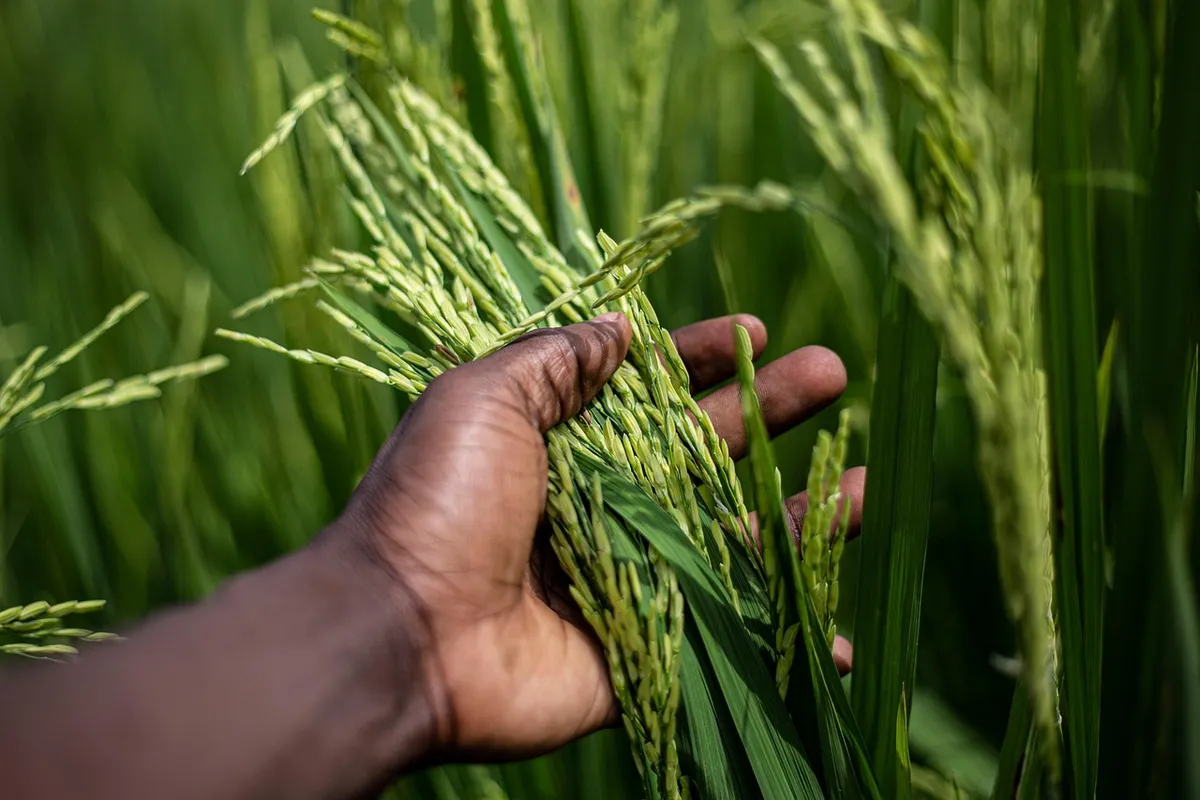
At noon, the farmer runs a hand through the dry rice, feeling the smooth texture of the grain.
A worker examines a handful of grain, noting the weight and texture before moving to the next section of the field. Comparing different planting methods reveals the trade-offs between labor and seed usage.
The choice between direct seeding and transplanting significantly impacts resource allocation. Direct seeding needs some 60 to 80 kilograms per hectare (54 to 71 lb/acre) of grain, while transplanting needs less, around 40 kilograms per hectare (36 lb/acre), but requires far more labour.
This efficiency gap is a primary focus for automation.
| Method | Grain Requirement (per hectare) | Labor Intensity |
|---|---|---|
| Direct Seeding | 60 to 80 kg | Lower |
| Transplanting | 40 kg | Higher |
I observed that managing these different seeding requirements requires a clear understanding of the intended harvest volume. Balancing these two methods is critical for any large-scale operation.
How can we improve low carbon agriculture tech in production?
An automated sensor sits submerged in the water, transmitting data about the soil's moisture to a central hub. This connectivity allows for more accurate adjustments to the field environment.
Optimizing the growth cycle through data can lead to better outcomes for both the farmer and the planet. Integrating smarter tools helps manage the relationship between water usage and gas emissions. These advancements aim to stabilize the food supply while reducing the ecological footprint.
The goal is to maintain a balance between high output and resource conservation. By focusing on these technological shifts, the industry can better manage the complexities of global demand.
What is the role of AI in rice production for global food security?
A technician monitors a digital dashboard showing the production statistics of various regions. The data highlights the massive scale of the global supply chain.
Based on the Food and Agriculture Organization, this is a list of countries by rice production in 2022 based on the Food and Agriculture Organization Corporate Statistical Database.
In 2023, world production of rice was 800 million tonnes, led by China and India with a combined 52% of the total. This concentration of production means that technological breakthroughs in these regions have a massive global impact.
Efficiently managing these large volumes is a necessity for global stability.
The scale of production requires robust management to prevent waste. As the world looks toward more stable food sources, these high-output regions will lead the way in adopting new technologies.
How will future of sustainable crops change harvesting?
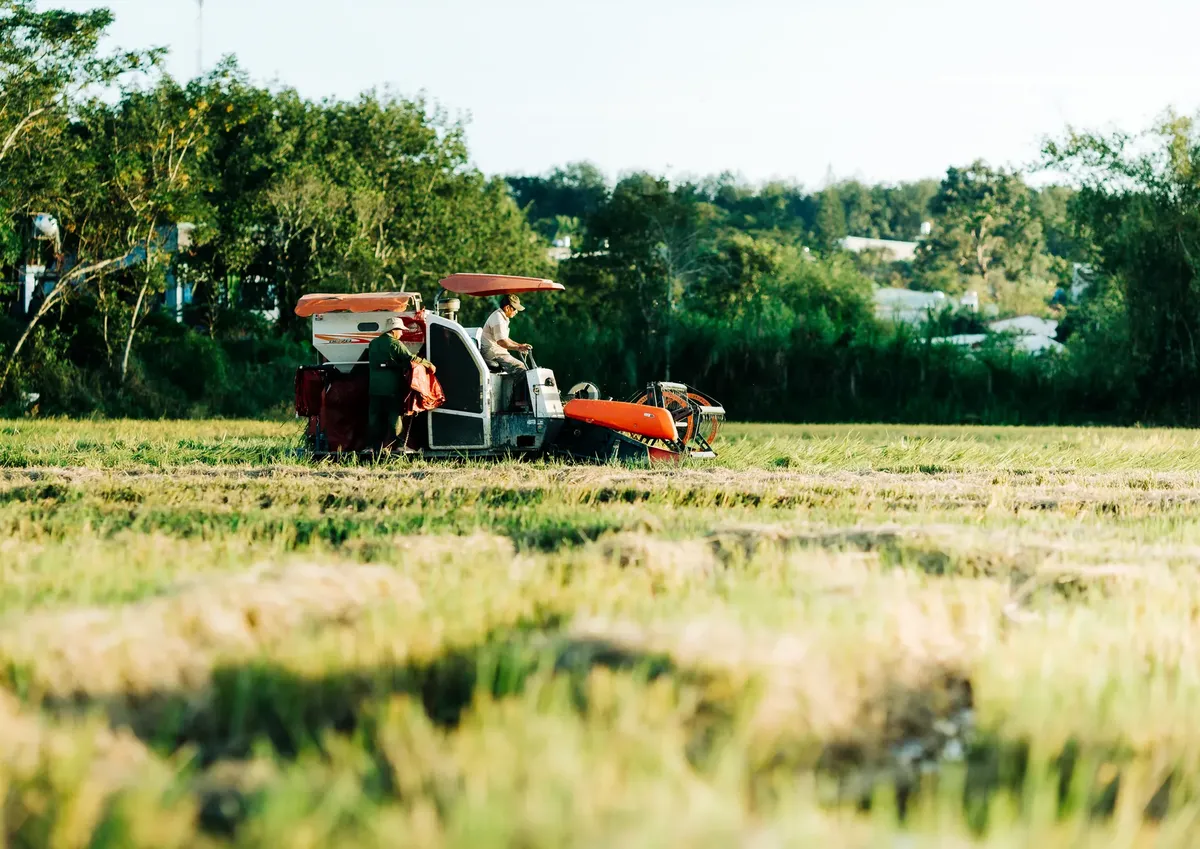
A harvester moves through a golden field, its blades cutting through the stalks at the precise moment of maturity. The timing of the harvest is vital to prevent spoilage and maintain quality.
Timing is everything when it comes to successful yields. The grain is ready to harvest when the moisture content is 20–25%. Getting this timing right via automated monitoring can prevent significant losses during the transition from field to storage.
Efficiently managing the moisture content ensures that the grain remains stable after it leaves the field. This precision is a cornerstone of modern agricultural success.
What are the benefits of advanced rice cultivation methods for storage?
A heavy metal silo stands tall against the horizon, protecting the harvested grain from the elements. Inside, the environment is controlled to prevent the degradation of the crop.
Storage technology plays a massive role in preserving the value of the harvest. In China, losses in modern metal silos were just 0.2%, compared to 7–13% when rice was stored by rural households. Moving toward modernized storage is a key part of reducing food waste.
| Storage Type | Loss Percentage |
|---|---|
| Modern Metal Silos | 0.2% |
| Rural Household Storage | 7–13% |
I found that the difference in loss between these two methods highlights why investment in infrastructure is so critical. Protecting the harvest after it is gathered is just as important as growing it.
The effectiveness of these technologies can be limited by the existing infrastructure in rural areas where modern silos are not yet available.
- How does AI rice farming low carbon strategy address emissions?
- What are the advantages of AI smart rice farming?
- How can we improve low carbon agriculture tech in production?
The subject here is AI rice farming low carbon.
The same subject is also called sustainable rice farming.
This part also covers AI driven farming efficiency.
Related





Comments 0