AI data center power impact: 180 million tons emissions
"The energy required to sustain intelligence is rapidly scaling, creating a tension between technological progress and environmental stability."
The surge in AI infrastructure is driving a massive increase in electricity demand, which directly links computational growth to rising greenhouse gas emissions.
This analysis explores how data center expansion impacts the planet, the specific energy costs of generative AI, and the regulatory hurdles facing new power solutions.
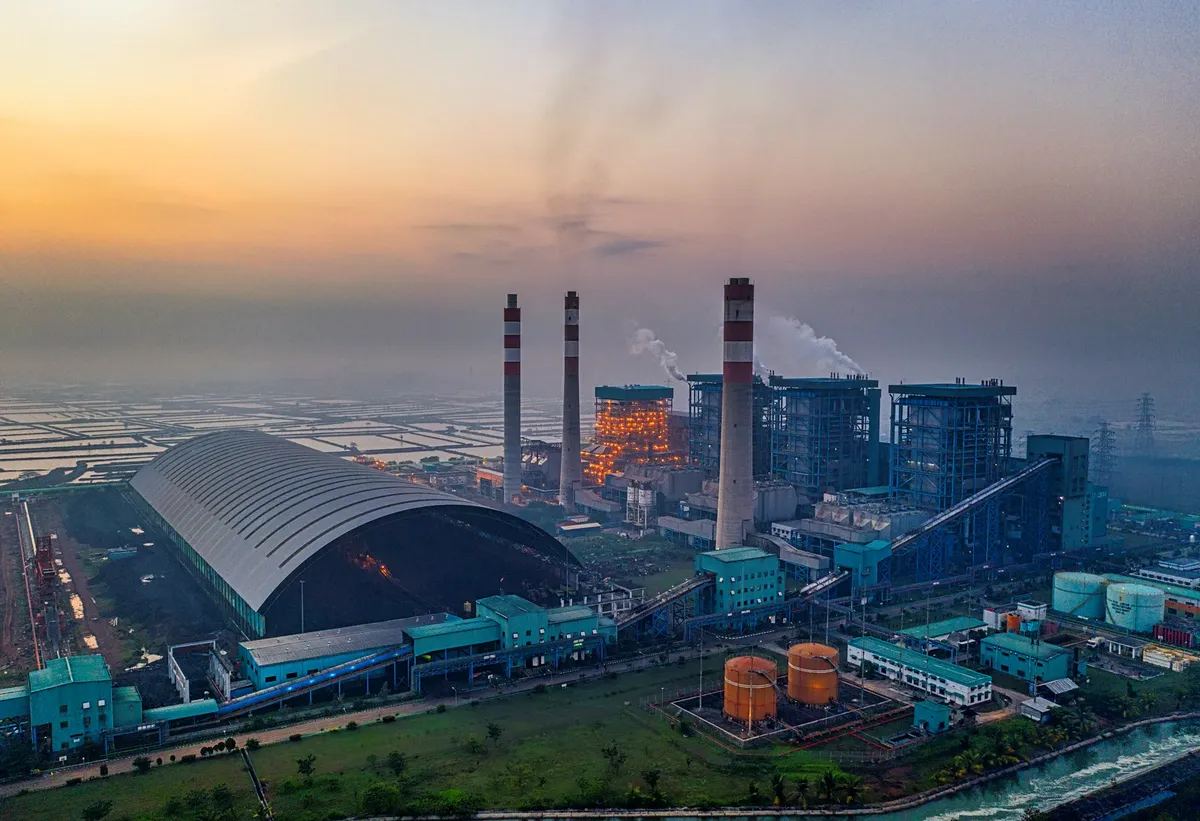
Key takeaways include the massive capital investment expected in AI infrastructure, the high energy intensity of large language model searches, and the complex intersection of nuclear energy and data center operations.
How does AI infrastructure investment shape energy demand?
A massive construction site in a quiet American suburb hums with the sound of heavy machinery and the sight of rising steel frameworks.
By 2030, a 2025 report from the consulting firm McKinsey & Company estimated that $2.7 trillion would be invested into AI infrastructure and data centers in the US, surpassing World War II's Manhattan Project every month.
This level of capital injection suggests a permanent shift in how regional power grids must operate.
The sheer scale of this investment implies a sustained pressure on energy resources. As these facilities come online, they will require consistent, high-capacity power to maintain the computational loads required for advanced intelligence.
This rapid expansion forces utility providers to rethink long-term generation strategies.
- Deploying high-performance hardware increases baseline power requirements.
- Scaling data center capacity expands the total electricity load.
- Optimizing cooling systems manages the heat generated by new hardware.
- In this sequence, the second step is the most significant.
What is the specific carbon footprint of AI energy use? AI data center power impact
A technician monitors a glowing server rack where cooling fans spin at high speeds to dissipate heat. In 2025, a report prepared by the IEA estimated the greenhouse gas emissions from the energy consumption of AI at 180 million tons.
This figure represents a significant portion of the environmental cost associated with digital intelligence.
The energy-to-emission pipeline is driven by the intensity of specialized hardware. While this amount is below 1.5% of the energy sector emissions, the growth rate remains a primary concern for climate modeling.

The relationship between computational tasks and atmospheric impact is becoming increasingly direct.
How do individual AI searches compare to traditional web searches?
A user sits at a desk, clicking a button to generate a complex response on a bright screen. A ChatGPT search involves the use of 10 times the electrical energy as a Google search. This disparity highlights how much more intensive generative AI is compared to traditional information retrieval.
The energy cost per query is a critical factor in understanding the total AI power demand rise. As millions of users adopt these tools, the cumulative effect on the grid becomes a significant variable. Managing this energy-intensive behavior is a central challenge for green data center solutions.
What role does nuclear energy play in powering data centers?
A technician walks through a secure facility where heavy-duty transformers stand ready to distribute power.
In September 2024, Microsoft announced an agreement with Constellation Energy to re-open the Three Mile Island nuclear power plant to provide Microsoft with 100% of all electric power produced at the plant for 20 years.
This move illustrates a trend toward securing dedicated, carbon-free energy sources for large-scale computing.
However, securing such power is not always straightforward due to regulatory oversight.
On 1 November 2024, the Federal Energy Regulatory Commission (FERC) rejected an application submitted by Talen Energy for approval to supply some electricity from the nuclear power station Susquehanna to Amazon's data center.
These decisions shape how companies navigate the AI infrastructure energy cost.
How do emissions reduction and rebound effects interact?
A scientist reviews data on a tablet, noting the fluctuations in a regional energy report. The emissions reduction potential of AI was estimated at 5% of the energy sector emissions, but rebound effects can reduce it.
For example, if people switch from public transport to autonomous cars, those gains might be offset.
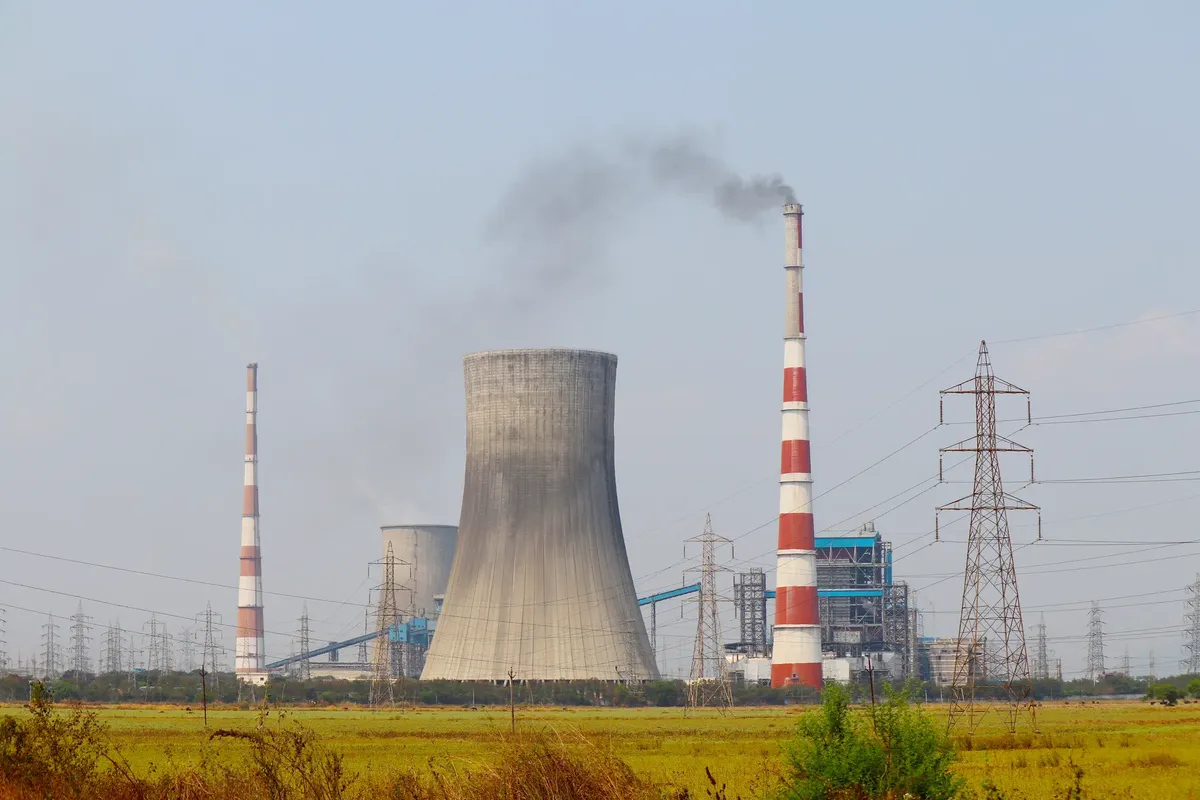
The net impact of AI on the environment depends on whether efficiency gains outpace total consumption growth. While AI can optimize energy systems, the increased ease of use might lead to higher overall energy use.
This tension defines the struggle to balance technological utility with environmental responsibility.
The subject here is AI data center power impact.
The same subject is also called Data center energy use.
The same subject is also called Carbon footprint data centers.
The same subject is also called Server power consumption.
This part also covers Power grid strain AI.
AI infrastructure energy cost
Related







Comments 0