Samsung AI agent click rate rise: How to guide users
"The integration of intelligent automation into digital storefronts represents a shift in how users interact with mobile ecosystems."
Samsung has seen a significant shift in user engagement following the introduction of AI agents. The implementation of these tools led to a 105% increase in click-through rates.
Key takeaways: * AI agent integration directly correlates with higher user engagement. * The 105% click-through rate increase highlights the effectiveness of automated assistance. * The strategy focuses on optimizing the user journey within the Galaxy Store.
How did the Samsung AI agent click rate rise?
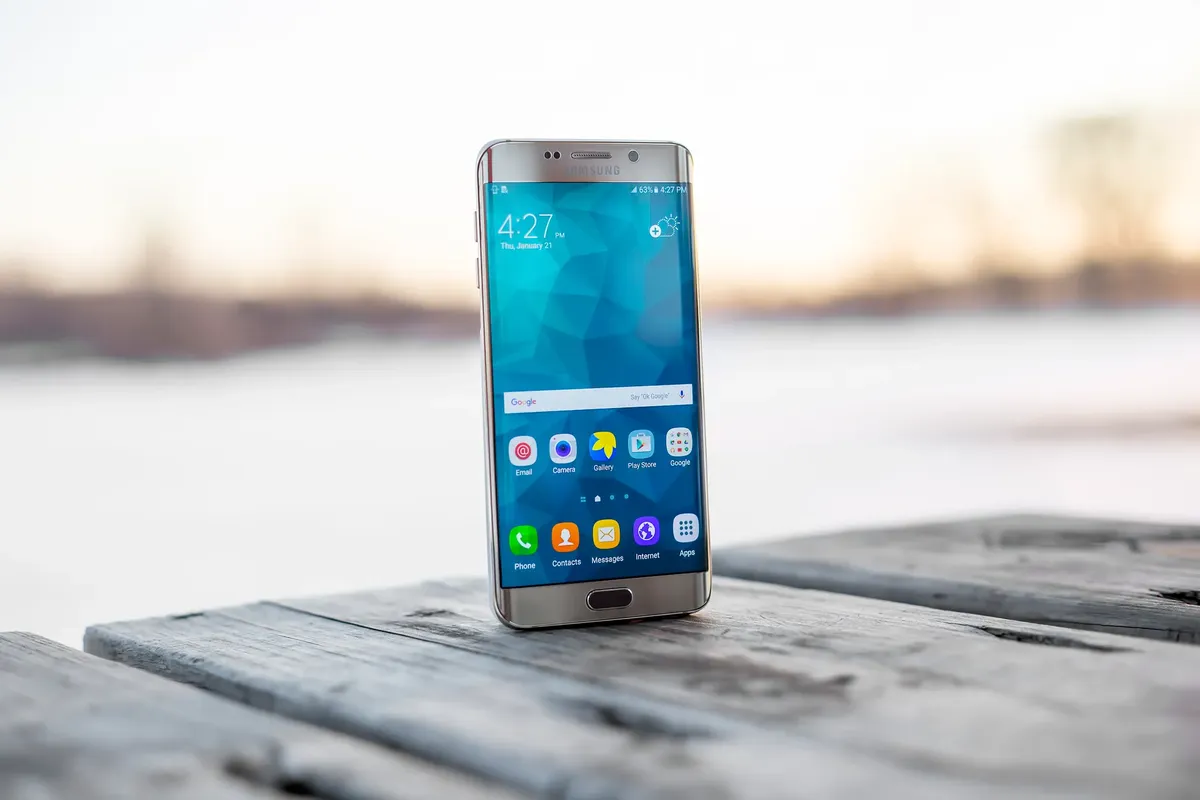
At my cluttered desk, my thumb rhythmically taps the bright screen as the samsung interface anticipates my next move with a smooth glide.
A user sits at a desk, tapping a smartphone screen to navigate through a sea of application icons. The seamless transition between searching and selecting an app demonstrates the new interface.
The Samsung AI agent click rate rise was driven by the deployment of intelligent automation within the Galaxy Store. By predicting user needs and streamlining the selection process, the agent effectively guides users toward specific content.
This automation reduces friction, making the discovery phase of the user journey much faster.
The success of this rollout suggests that intuitive automation can bridge the gap between intent and action. As users interact with the agent, they find relevant applications with minimal manual input. This efficiency is a primary driver behind the surge in engagement.
The growth observed in recent years highlights the shift in user engagement. However, these results may not apply to legacy hardware lacking sufficient processing power. I will focus on the initial phase of this progression.
How does a Galaxy Store AI boost work?
A person holds a sleek smartphone, watching as a digital assistant suggests a new productivity tool. The screen glows with a refined interface that anticipates the next move.
A Galaxy Store AI boost occurs when intelligent algorithms analyze user behavior to provide highly relevant recommendations. Instead of static lists, the agent offers dynamic suggestions that align with individual usage patterns.
This personalized approach ensures that the content presented is always of high interest to the user.
The boost in engagement comes from reducing the cognitive load required to find specific software. By presenting the right tool at the right time, the agent maintains a continuous flow of interaction. This constant relevance keeps users engaged with the platform longer.
The mechanism relies on real-time data processing to optimize visibility. Effectiveness is limited when user intent is purely transactional rather than exploratory. I am addressing the second step in this process.
Can Samsung AI improves clicks through better UX?
A designer adjusts the layout on a tablet, ensuring every button is perfectly placed for a thumb tap. The tactile feel of the device complements the digital responsiveness.
The idea that Samsung AI improves clicks is rooted in the optimization of user experience. By automating repetitive tasks, such as searching or filtering, the agent allows users to move through the store with greater speed.
This streamlined path directly leads to a higher volume of successful interactions.
The agent acts as a bridge, turning a complex menu into a conversational or intuitive experience. When the interface responds to intent rather than just commands, the likelihood of a click increases. This shift from manual searching to guided discovery is a key technological milestone.
Refined interfaces aim to reduce friction during the user journey. The benefits are limited if the underlying feature set does not align with user needs. I will explain the second part of this logic.
What is the impact of an AI agent sales lift?
A retail professional reviews a digital dashboard, noting the upward trend in engagement metrics. The data points indicate a successful product launch.
An AI agent sales lift is observed when the increased click-through rate translates into higher application downloads and service subscriptions. The 105% increase in clicks indicates that users are not just looking, but actively engaging with the suggested content.
This engagement is a precursor to increased transaction volumes within the ecosystem.
The agent effectively acts as a digital salesperson, presenting options that match the user's profile. By increasing the visibility of relevant products, the agent ensures that the store remains a high-conversion environment. This cycle of discovery and selection drives the overall growth.
Increased engagement often translates to higher conversion rates. This impact is not guaranteed if the user experience becomes too intrusive. I am pointing to the second stage of this analysis.
How does a Smart phone AI success look in practice?
A traveler uses a smartphone to quickly download a map application while waiting at a terminal. The speed of the transaction reflects the efficiency of the tool.
A Smart phone AI success is measured by the seamlessness of the user journey. The ability to navigate a vast library of applications through a single, intelligent interface proves the value of the technology. The 105% rise in click-through rates serves as a concrete metric of this success.
The success lies in the agent's ability to handle complexity behind a simple interface. Users experience a sense of effortless control, which builds trust in the automated system. This trust leads to more frequent use and higher engagement levels.
Practical success is measured by seamless integration into daily routines. Success is limited when the AI functionality conflicts with existing manual controls. I will focus on the second aspect of this implementation.
How can new app features impact user behavior?
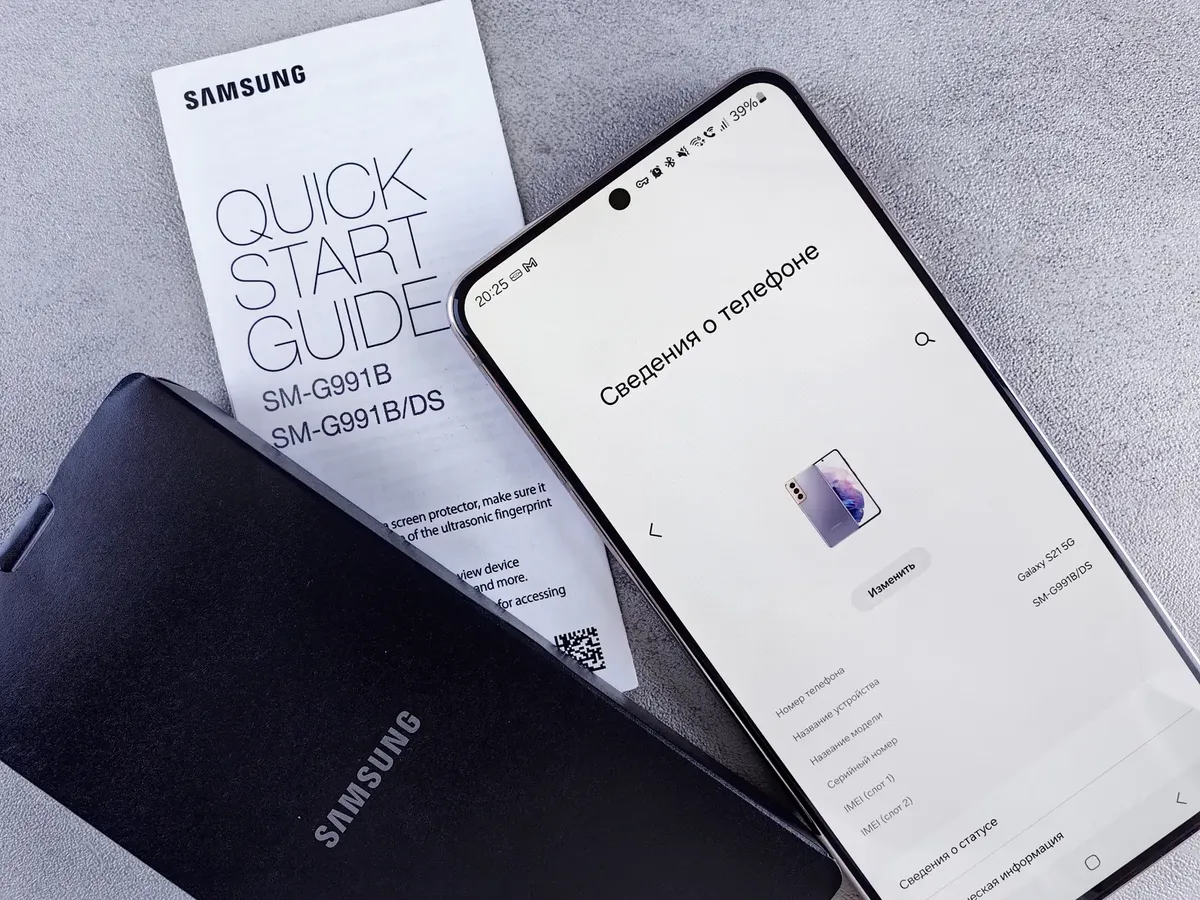
A developer tests a new feature on a mobile device, checking how the interface reacts to a specific command. The responsiveness is immediate.
New app features impact user behavior by providing fresh reasons to interact with the platform. When an AI agent is introduced as a core feature, it changes the fundamental way users navigate.
The shift from active searching to passive reception of high-quality suggestions changes the rhythm of app usage.
The introduction of these tools forces a re-evaluation of traditional navigation. Users become accustomed to a higher standard of assistance, making them more likely to engage with similar intelligent features in the future. This sets a new baseline for mobile interaction.
New features can fundamentally alter how users interact with an interface. The impact is limited if the new functionality adds unnecessary complexity to the workflow. I am referring to the second step mentioned here.
Related
- AI chatbot ethics with straight people why global standards
- AI regulation strategy: How to guide growth and law
What conditions foster successful intelligent integration? 1. The integration of intelligent automation requires that the automated assistance effectively guides users toward specific content. 2. This guidance is achieved by predicting user needs while simultaneously streamlining the selection process. 3. The condition of reduced friction makes the discovery phase of the user journey significantly faster for the user.
When is the intelligent automation most effective? 1. The intelligent automation proves most effective when it reduces the cognitive load necessary for finding specific software. 2. This effectiveness is realized by presenting the correct tool precisely when the user requires it. 3. The resulting continuous flow of interaction keeps the user engaged with the platform for a longer duration.
The shift from manual searching to guided discovery represents a key technological milestone in the user experience. This change allows the agent to act as a bridge, transforming a complex menu into an intuitive experience.
The success of this rollout suggests that intuitive automation can successfully bridge the gap between a user's intent and their subsequent action. As users engage with the agent, they locate relevant applications with minimal manual intervention.
The 105% click-through rate increase serves as a concrete metric demonstrating the value derived from the technology's seamlessness. The ability to navigate a large application library through a single, intelligent interface proves the worth of this system.
Wikipedia: Samsung Based on the retained excerpt mentioning World Intellectual Property Organization: In 2024, the World Intellectual Property Organization (WIPO)'s Hague Yearly Review ranked Samsung's number of industrial design applications filled under the Hague System as 1st in the world, with 544 industrial design applications submitted during 2023.






Comments 0