AI low carbon rice farming helps reduce 1% emissions guide
"The future of sustainable agriculture lies in balancing high yields with environmental responsibility."
AI low carbon rice farming aims to mitigate the environmental footprint of staple crop production while maintaining high productivity. This approach addresses the fact that rice production was estimated to have caused over 1% of global greenhouse gas emissions in 2022.
By optimizing water management and seeding techniques, farmers can reduce emissions and labor costs.
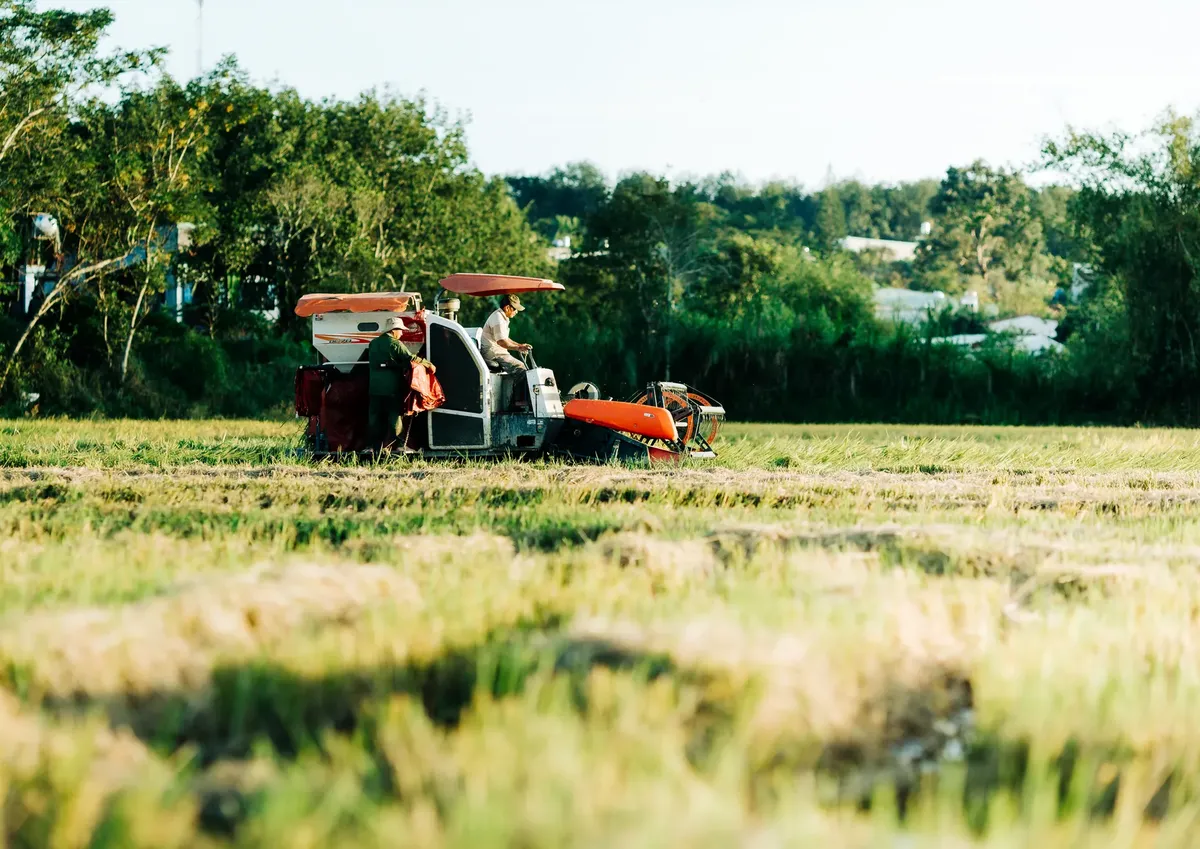
Key takeaways: * Addressing the 1% global greenhouse gas emissions attributed to rice production. * Comparing direct seeding and transplanting resource requirements. * Utilizing controlled irrigation cycles to manage water levels.
How can we reduce greenhouse gas emissions in rice farming?
At dawn, the farmer kneels in the muddy field to adjust the irrigation, striving to trap carbon deep within the soil.
A farmer stands at the edge of a flooded paddy, watching the water ripple against the stalks. Addressing the environmental impact of rice production requires precise water management to control gas release.
The production of rice is estimated to have caused over 1% of global greenhouse gas emissions in 2022. To combat this, growers use specific irrigation techniques to manage soil conditions.
One method involves flooding the field to a depth of 5 cm (2 in), then letting the water level drop to 15 cm (6 in) below the surface level. This cycle, measured using a perforated field water tube sunk into the soil, helps regulate the environment.
- Implement alternate wetting and drying techniques to manage soil moisture.
- Optimize nitrogen fertilizer application to prevent excess runoff.
- Manage organic matter to minimize methane production.
What are the differences between direct seeding and transplanting?
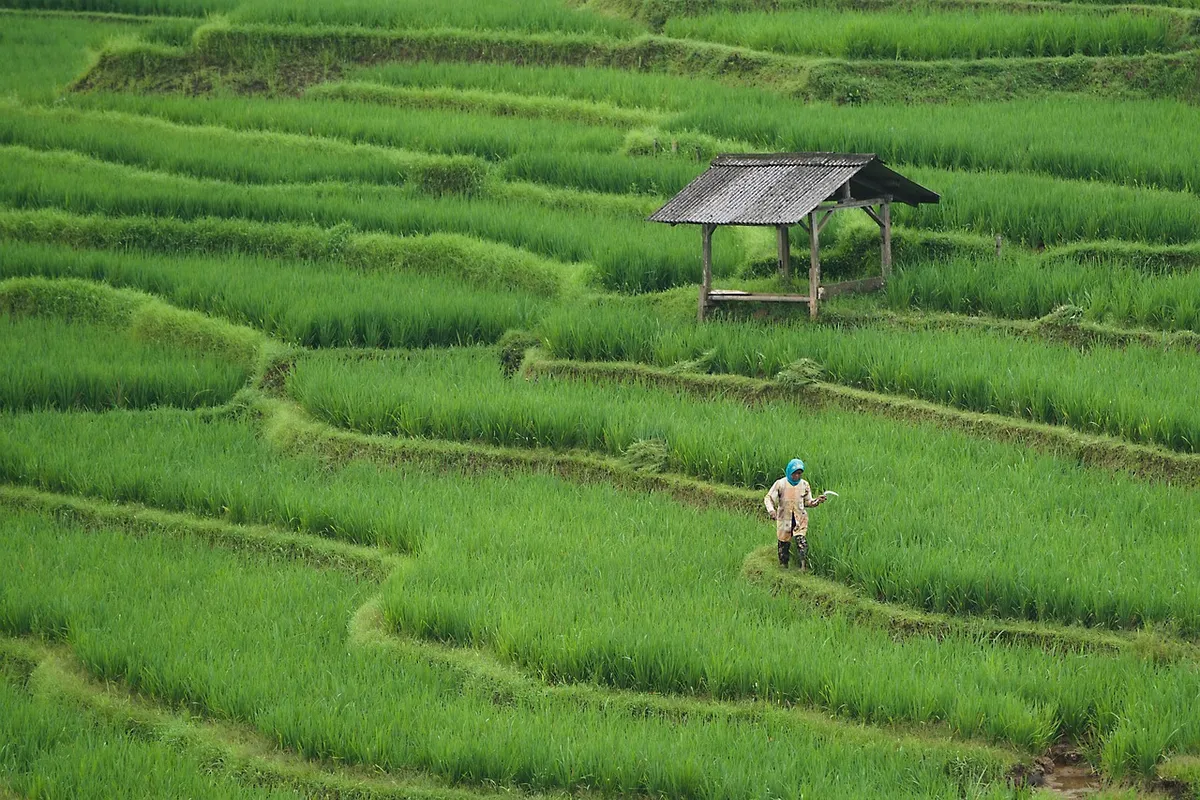
At sunrise, a worker bends over the field to press seeds into the earth, breathing in the scent of damp carbon-rich soil.
A worker carefully moves young seedlings into a muddy field, while another prepares a bag of grain for a different method. Choosing between seeding methods affects both grain usage and labor intensity.
Direct seeding needs some 60 to 80 kilograms per hectare (54 to 71 lb/acre) of grain. In contrast, transplanting needs less, around 40 kilograms per hectare (36 lb/acre), but requires far more labour. AI low carbon rice farming can help optimize these inputs to ensure efficiency.
Sustainable rice methods often weigh the cost of higher seed usage against the high labor requirements of manual transplanting.
In this sequence, the first step is the most labor-intensive.
How is water management handled in a rice field?
A metal tube sits partially submerged in the soil, allowing a farmer to check the precise water depth. Managing the water level is critical for both crop health and emission control.
One form of water management involves flooding the field to a depth of 5 cm (2 in), then letting the water level drop to 15 cm (6 in) below the surface level. This process is measured by looking into a perforated field water tube sunk into the soil.
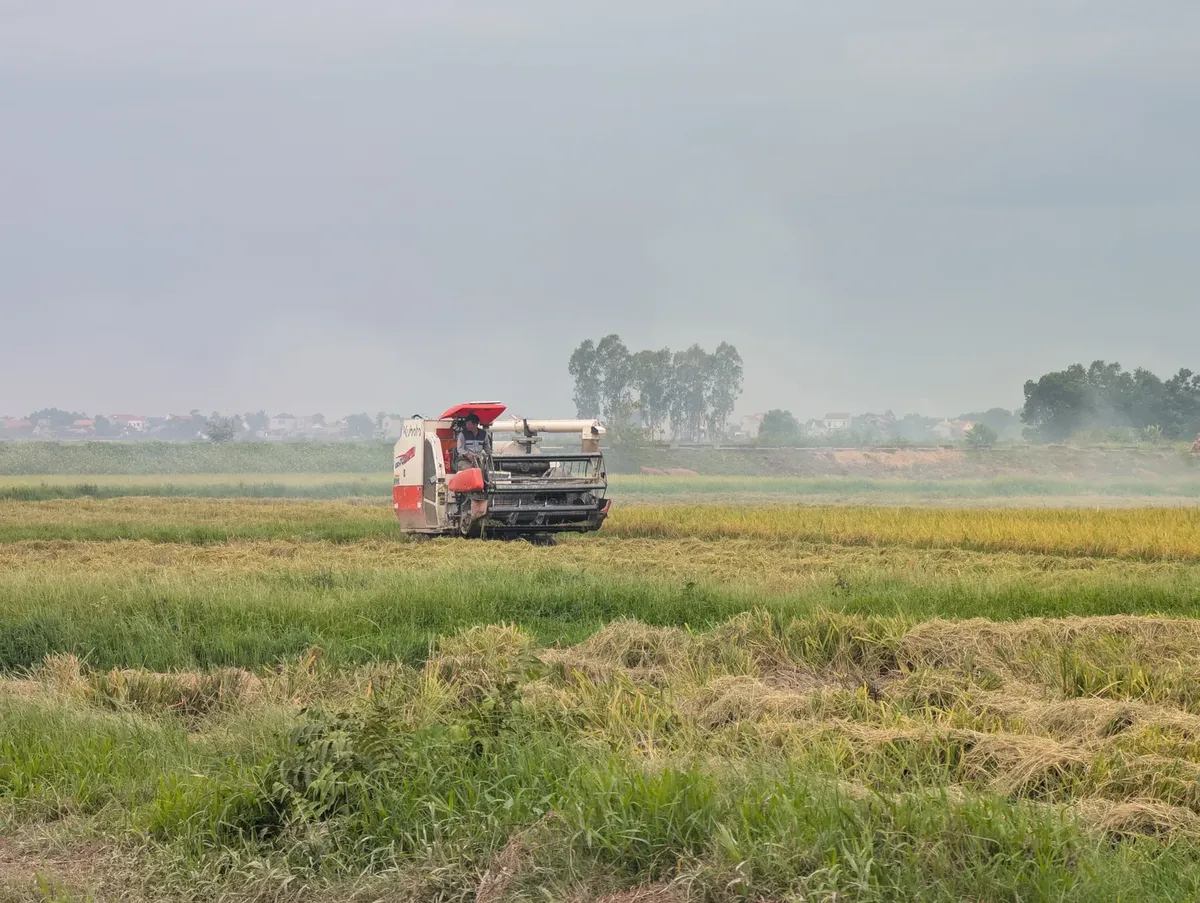
Repeating this cycle helps maintain the necessary soil conditions. Green rice farming tech relies on these controlled fluctuations to manage the field environment effectively.
When is the rice ready for harvest?
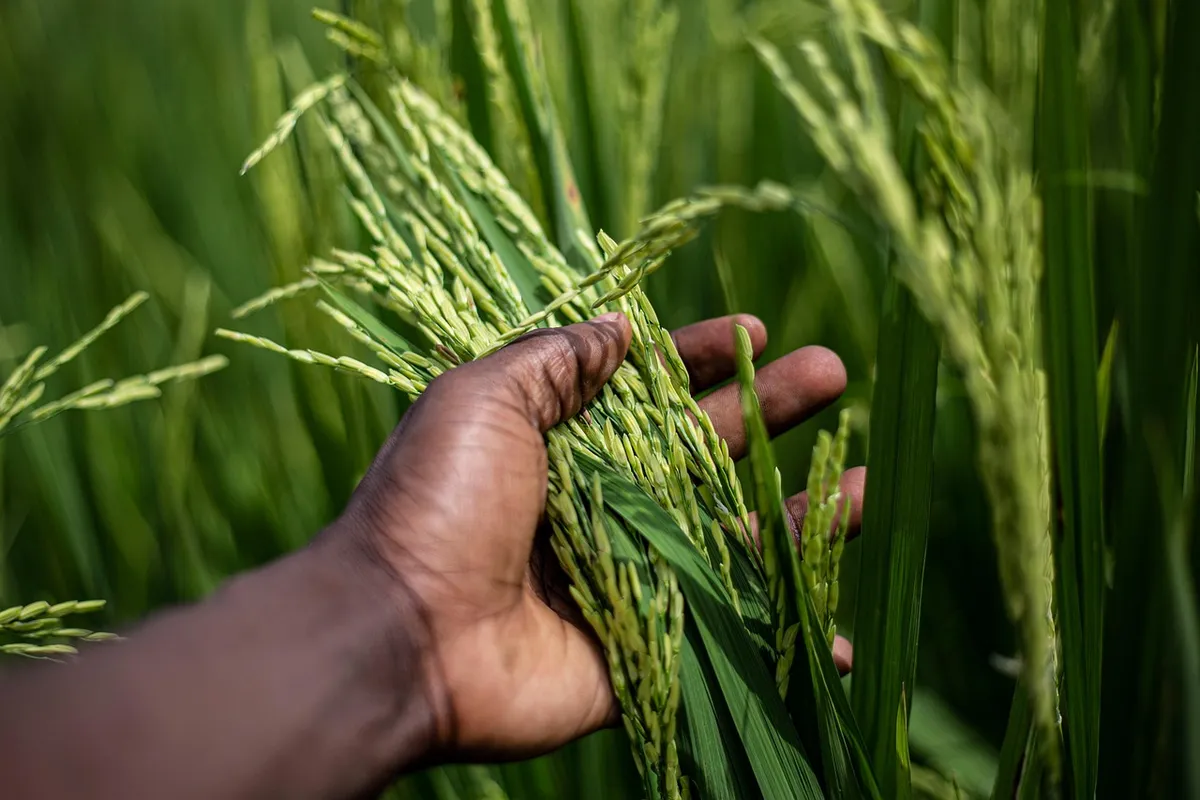
A farmer inspects a golden grain of rice, feeling its texture and checking for dryness. Timing the harvest is essential to prevent spoilage and maximize quality.
The grain is ready to harvest when the moisture content is 20–25%. Proper timing ensures the crop is stable for storage and processing. Boosting farm output with AI involves monitoring these moisture levels to prevent losses.
AI smart rice farming technology can assist in determining the exact moment of peak maturity.
How can we manage grain storage and losses?
A heavy metal silo stands tall in a modern facility, contrasting with the small wooden bins of a traditional farm. Reducing waste during storage is a vital part of the food supply chain.
In 2018, the World Health Organization strongly recommended fortifying rice with iron, and conditionally recommended fortifying it with vitamin A and with folic acid, according to the World Health Organization.
In China, losses in modern metal silos were just 0.2%, compared to 7–13% when rice was stored by rural households. Efficient storage prevents the loss of much-needed caloric resources. Future eco rice growing strategies must focus on preventing these post-harvest losses to feed a growing population.
| Method | Grain Requirement (per hectare) | Labor Intensity |
|---|---|---|
| Direct Seeding | 60 to 80 kg | Lower |
| Transplanting | 40 kg | Higher |
I observed how much grain is required for direct seeding compared to the manual labor involved in transplanting.
A limitation of these methods is that specific climate conditions may affect the effectiveness of the 15 cm water level drop.
AI low carbon rice farming
The same subject is also called AI farm efficiency.
This part also covers AI driven carbon reduction.
AI driven carbon reduction
Related
- AI medical diagnosis challenges: Guide to data integrity
- AI low carbon rice farming guide for small growers
How does the future of sustainable agriculture relate to irrigation?
Future sustainable agriculture depends on the precision of water management techniques like the 15 cm water level drop. This specific irrigation cycle helps regulate the environment to mitigate the environmental footprint of rice production.
What are the labor and grain trade-offs in rice farming?
Farmers must compare the 60 to 80 kilograms per hectare grain requirement of direct seeding against the lower 40 kilograms per hectare requirement of transplanting. While transplanting uses less grain, it requires much higher labor intensity than direct seeding.
- Compare the grain usage of direct seeding to the labor intensity of transplanting.
- Evaluate the effectiveness of the 15 cm water level drop under specific climate conditions.
- Monitor moisture levels to ensure the grain is ready for harvest at 20–25%.
- Utilize metal silos to reduce the 7–13% loss seen in rural household storage.





Comments 0