Google fullstack AI strategy: How to guide business needs
A skydiver in 2012 leaped from a blimp, wearing Google Glass to livestream a descent to the Moscone Center roof.
Google is moving toward a comprehensive approach to capture the enterprise market through its fullstack AI strategy. This plan focuses on integrating advanced computing capabilities with practical business tools to serve corporate needs.
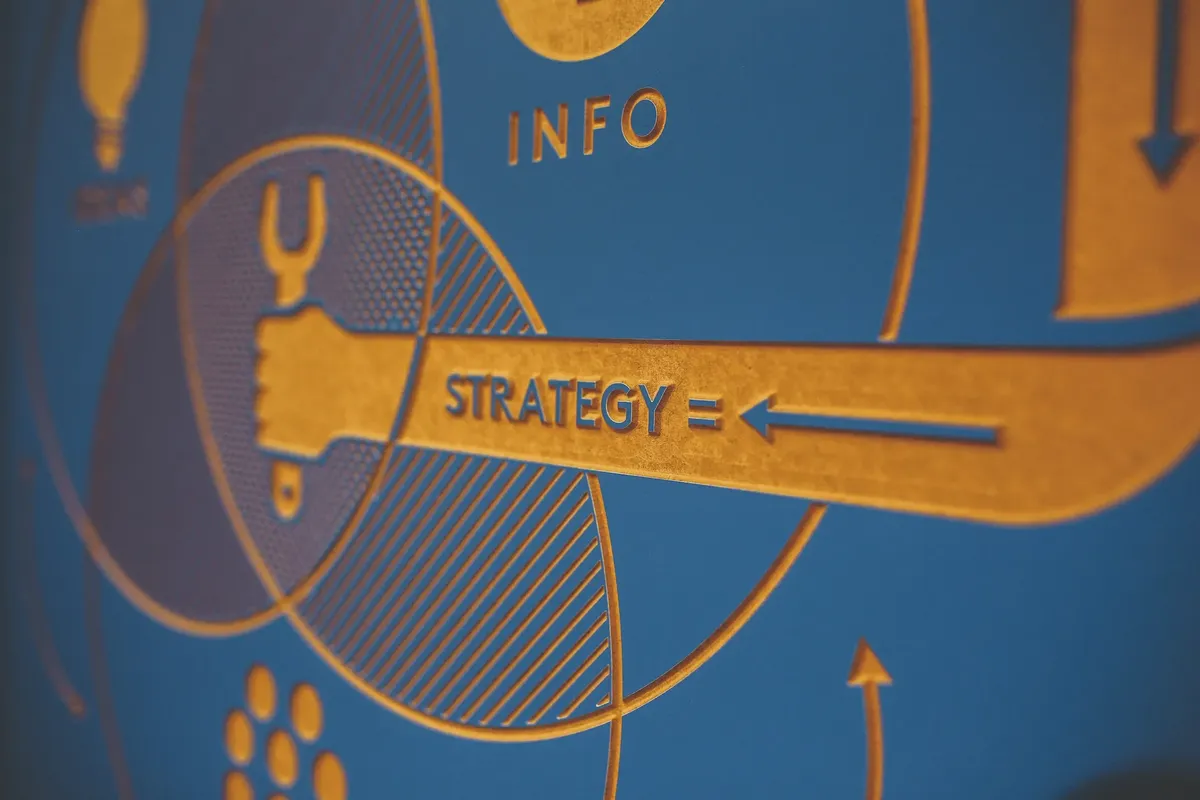
Key takeaways include the importance of integrated hardware-software ecosystems, the role of legal precedents in data processing, and the evolution of organizational structures within tech giants.
How does the Google fullstack AI strategy manifest in historical innovation?
A skydiver wearing Google Glass once jumped from a blimp to demonstrate real-time data transmission.
In a demo presented by Brin at the Google I/O conference in June 2012, four skydivers wearing Google Glass jumped from a blimp and landed on the roof of the Moscone Center, with the glasses livestreaming their descent for the audience.
This early demonstration showcased the potential for seamless data flow between hardware and cloud environments. Such moments established the groundwork for how integrated technology can serve real-time enterprise needs.
The ability to stream live data from a moving target remains a core concept for modern connectivity.
- Identify core hardware breakthroughs.
- Integrate software layers with proprietary chips.
- Deploy scalable cloud infrastructure.
What role does data access play in the Google enterprise AI plan?
A librarian scans a shelf of books to digitize knowledge for a global audience.
In April 2016, the US Supreme Court declined to hear the Authors Guild's appeal, which means the lower court's decision stood, and Google would be allowed to scan library books and display snippets in search results without violating the law.
This legal outcome provided a clear path for large-scale data processing and information retrieval. For an enterprise AI plan, having access to vast, structured datasets is essential for training models and providing meaningful search results.
This precedent ensures that digital information can be organized and surfaced for users effectively.
In this sequence, the second step is the most extensive.
How does security factor into the Google AI market attack?
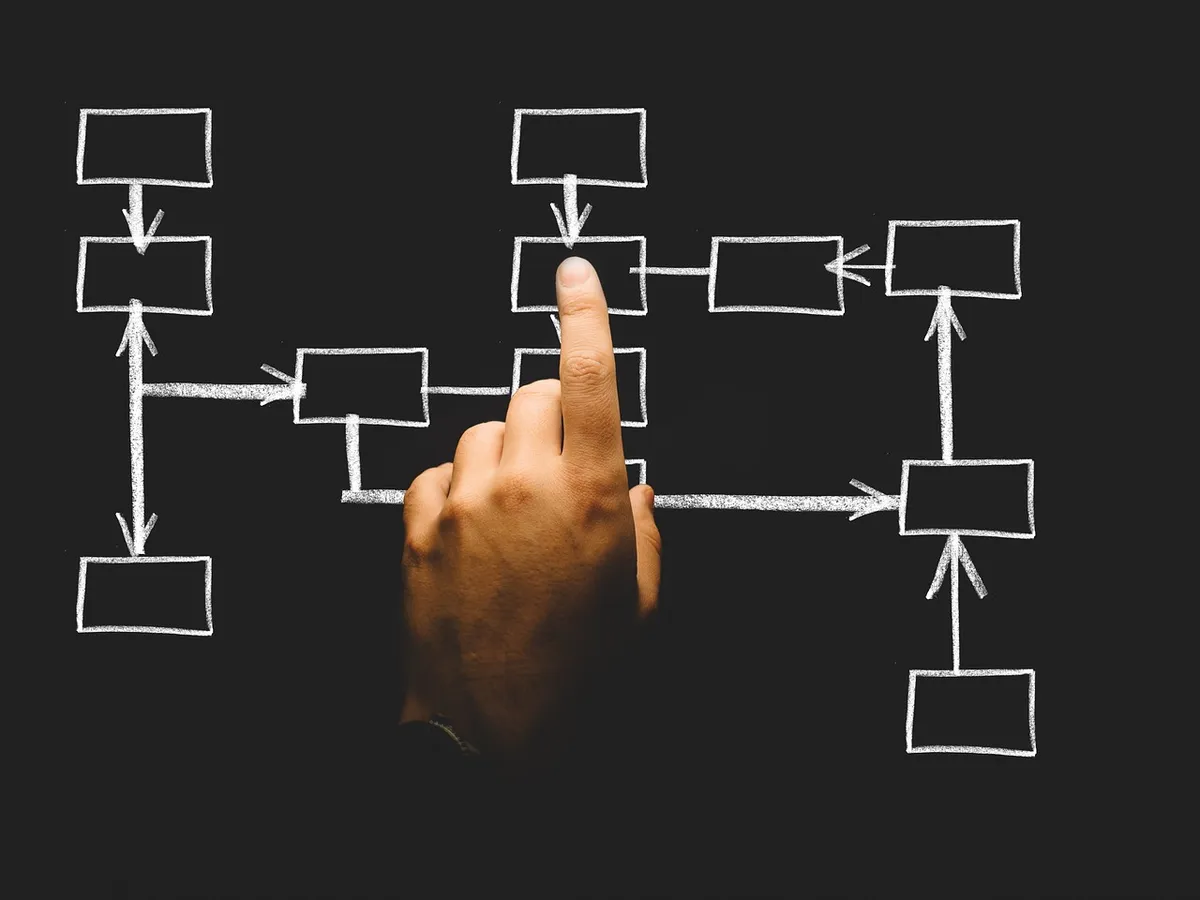
A developer checks a mobile application for security vulnerabilities before a wide release. On 6 November 2019, Google announced the App Defense Alliance.
Securing the ecosystem is a vital component of any market expansion strategy. The App Defense Alliance represents a collaborative effort to protect users and developers within a digital environment.
For a Google AI market attack to succeed, the underlying platforms must remain secure against emerging threats.
What are the implications of the Google AI tech innovation for workforce structures?
An employee joins a meeting to discuss organizational changes and labor relations. In 2021, the Alphabet Workers Union was founded, composed mostly of Google employees.
Technological shifts often lead to changes in how employees organize and interact with their employers. The formation of the Alphabet Workers Union highlights the internal dynamics of a massive technology corporation.
Understanding these human elements is crucial when evaluating the stability and direction of long-term technological roadmaps.
How do we evaluate the Google AI tech innovation through historical context?
An engineer looks at a timeline of technological breakthroughs to plan for the future. The history of these advancements shows a move from experimental hardware to massive data-driven services.
| Era | Focus | Outcome |
|---|---|---|
| 2012 | Hardware Integration | Real-time livestreaming demo |
| 2016 | Data Access | Legal clearance for scanning |
I observed how these individual milestones, from hardware demos to legal victories, built a foundation for modern enterprise solutions.
How can businesses prepare for the Google AI market growth?
A manager reviews a strategic roadmap to align company goals with new technological tools. To navigate this shifting landscape, companies should focus on three specific areas:

- Evaluate how integrated hardware and software can streamline workflows. 2. Monitor legal and regulatory developments regarding data usage. 3. Prepare for shifts in workforce organization and labor dynamics.
A final check ensures that these strategic moves align with the company's specific technological needs.
The subject here is Google fullstack AI strategy.
The same subject is also called Fullstack AI for business.
The same subject is also called Corporate AI Google push.
This part also covers Enterprise AI market growth.
This part also covers How Google drives AI.
Related
- Samsung Electro-Mechanics Nvidia synergy for AI servers
- How does a one million token context window work?: 11 hours
How did the skydiver's demonstration relate to future enterprise needs?
The skydiver's descent, captured by Google Glass, illustrated the capacity for immediate data transmission across disparate systems. This capability foreshadowed the need for enterprise solutions that handle live, dynamic information streams.
The successful streaming from the skydiver provided a tangible example of integrated technology functioning in a high-stakes, real-world scenario.
This early demonstration showed that hardware, when connected to cloud infrastructure, could support immediate business requirements. The ability to capture and transmit data while the skydiver was airborne mirrors the demands of modern, responsive corporate applications.
Such connectivity proved foundational for the future direction of Google's enterprise offerings.
What conditions must be met for AI adoption to be successful?
The successful deployment of Google's AI strategy depends on several interlocking conditions. One condition involves establishing robust, integrated hardware-software ecosystems to ensure seamless operation.
Another condition pertains to navigating the legal landscape concerning data processing, as shown by the library scanning precedent.
Furthermore, the evolution of organizational structures within tech giants presents a condition that businesses must anticipate. A manager reviewing a strategic roadmap must consider these elements to align company goals with evolving technological tools.
The skydiver's flight demonstrated the technical possibility, but legal and organizational factors dictate practical success.
Wikipedia: Google Based on the retained excerpt mentioning Alphabet Workers Union: In 2021, the Alphabet Workers Union was founded, composed mostly of Google employees.








Comments 0