The Arrival of the AI Agent Era: The Future as Seen Through Human-Centered Technological Innovation
Table of contents
# AI Agent Era: The Future as Human-Centered Technology
In recent years, the AI industry has been dominated by discussions about "model competition" due to rapid advancements in large language models (LLM). However, recent developments show that AI evolution is shifting from model performance to improving interaction quality between humans and AI. The topic "Are AI Model Competitions Over? Real Battle Is Between AI Agents" presented in an AI Today News article already indicates a significant shift beyond the initial stage. Therefore, we now focus on how AI is reshaping industries and daily life as a "smart assistant" centered around human needs.
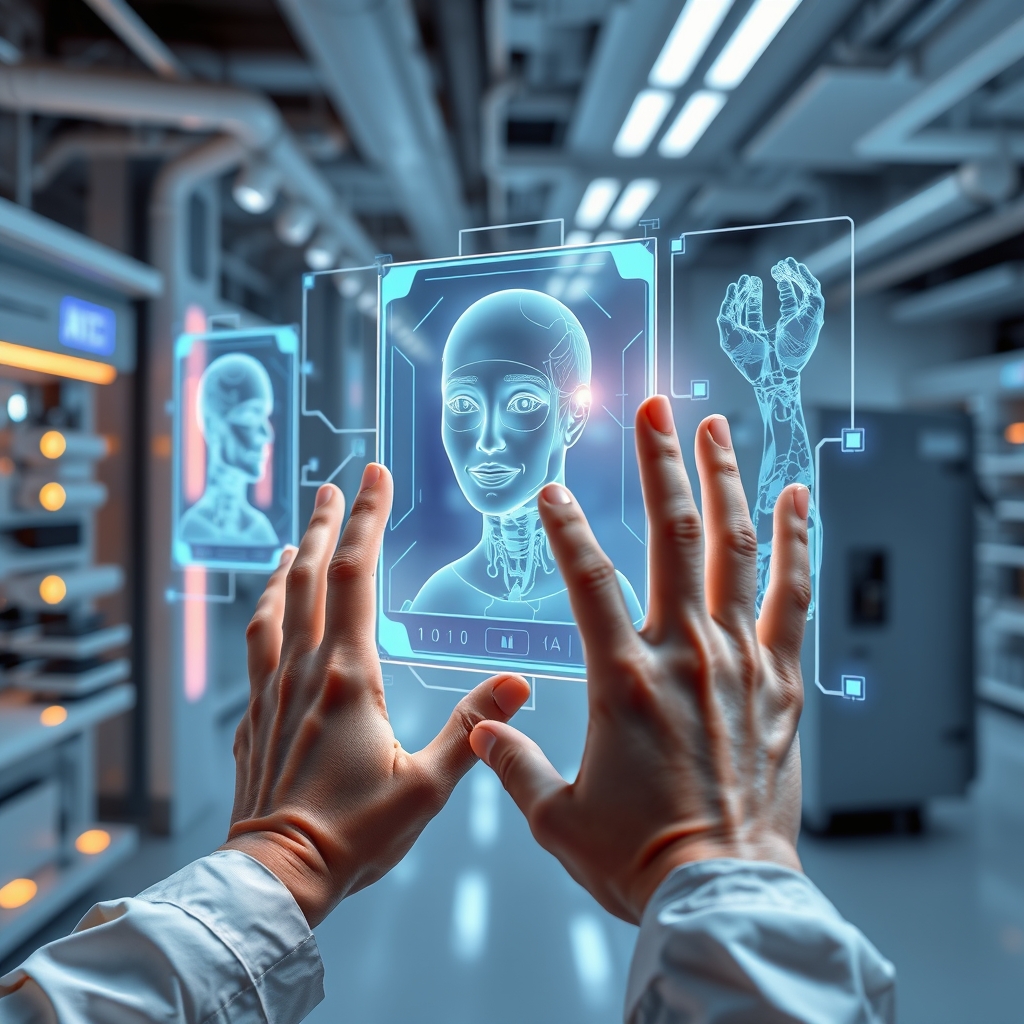
1. Defining AI Agents: Beyond Simple Responses
AI agents are systems that go beyond simply answering questions or generating text, instead performing autonomous decision-making and actions within given environments to achieve specific goals. For example, they can automatically handle customer consultations, collect necessary information, guide payment processes, and even analyze complex workflows to automate inventory orders. This is fundamentally different from simple chatbots.
Key features include goal recognition, situation understanding, action planning, and adaptive feedback processing. For instance, when a user says "Prepare meeting materials for tomorrow," an AI agent should understand the meeting topic, find relevant documents, summarize them, and provide necessary materials. This is not merely information retrieval but intelligent processing that interprets human intent and executes real tasks.
These capabilities are built on three core components: Intelligent Interface (AI Assistant), which enables natural interaction between humans and AI; Knowledge Base System, which collects information from various sources and uses it appropriately; and Action Framework, which connects with real-world systems to execute tasks. Only when these three elements are integrated can we call it a true AI agent.
2. Business Automation Through AI Agents: A New Indicator of Productivity
AI agents have emerged as key tools for business automation. Rather than replacing simple coding or data entry, they can autonomously manage complex workflows. For example, HR departments can now use AI agents to collect applicant information through conversation with candidates and automatically handle scheduling and document preparation. This replaces repetitive tasks that require human attention, thereby enhancing productivity.
In sales and marketing, AI agents are increasingly being used to provide personalized product recommendations based on customer data or maintain continuous relationships through email and chat. These systems move beyond one-sided advertising to intelligent relationship marketing that provides information at the right time and place. AI agents combining predictive models with personalized recommendation algorithms contribute not only to revenue growth but also to building customer loyalty and trust.
Ultimately, AI agents drive qualitative changes in business operations. They analyze complex scenarios, complement human decision-making with insights, and propose action plans. This directly impacts decision speed and accuracy in businesses. For small and medium-sized enterprises, AI agents enable professional services without hiring expensive specialists, significantly improving competitive advantage.
3. AI Agents in Daily Life: The Role of Digital Assistants
For individual users, AI agents have become "digital assistants" that go far beyond setting alarm clocks through voice commands. They now manage all aspects of daily life automatically, such as planning trips or managing schedules based on weather conditions. For example, if someone says "Let's go camping next week if the weather is good," an AI agent can check weather forecasts, suggest equipment lists, and even book camping sites.
AI agents in health management monitor personal fatigue levels, sleep patterns, and exercise habits. Some apps already offer features that detect health risks early and connect users with experts for consultation. These systems don't just collect data but also identify potential health risks and suggest preventive measures, providing support for self-care.
AI agents that manage family schedules, recommend movies, or adjust diets are making daily life more comfortable and responsible. However, clear regulations and ethical standards regarding privacy protection and data usage are essential to ensure that AI agents enhance human life without compromising individual autonomy or choice.
In conclusion, AI agents represent a new frontier in technology that goes beyond technical advancement to lead innovation in human life. The path ahead lies in fostering greater harmony between humans and technology, ensuring that technological development remains centered on human needs.
Popular posts

AI Model Release Checklist: 7 Things to Check Before You Release It
7 Key Checkpoints for AI-Based Automation Tools: 7 Elements You Must Verify Before Applying to Real Work

AI-powered code review tools: 6 usage guides

Comments 0