AI-powered code review tools: 6 usage guides
Quality Assurance in Modern Software Development
In modern software development, quality assurance goes beyond simple functionality testing. It focuses on identifying potential issues in code readability, maintainability, and security risks before they occur. With the advancement of AI technology, code review tasks that once required human reviewers to invest time and effort are increasingly being automated. This article selects six AI-based code review tools that can be practically applied in real development environments, providing practical criteria and tips for choosing the right tool under different circumstances.
1. The Core Criteria of Code Quality: Understanding "Why"
AI tools can easily detect syntax errors or formatting issues, but the real value of code review lies in their ability to interpret intended design and predict potential bugs or security vulnerabilities. When selecting tools, it's important to confirm whether they offer features beyond simple error detection—especially intent reasoning, which explains why code was written a certain way.

2. Comparison Criteria Between Tools: Fit for Purpose
- Feature Priority varies depending on the purpose of review. If security is a priority, then recognizing risk patterns becomes critical; if maintainability is the focus, readability and duplicate code detection are key.
- Integration Capability refers to compatibility with development workflows. Integration with IDEs, CI/CD pipelines, and version control systems directly impacts maintenance burden after adoption.
- Explainability ensures AI decisions don't become black boxes. Feedback should not end at “This code is risky,” but must also explain why a decision was made.
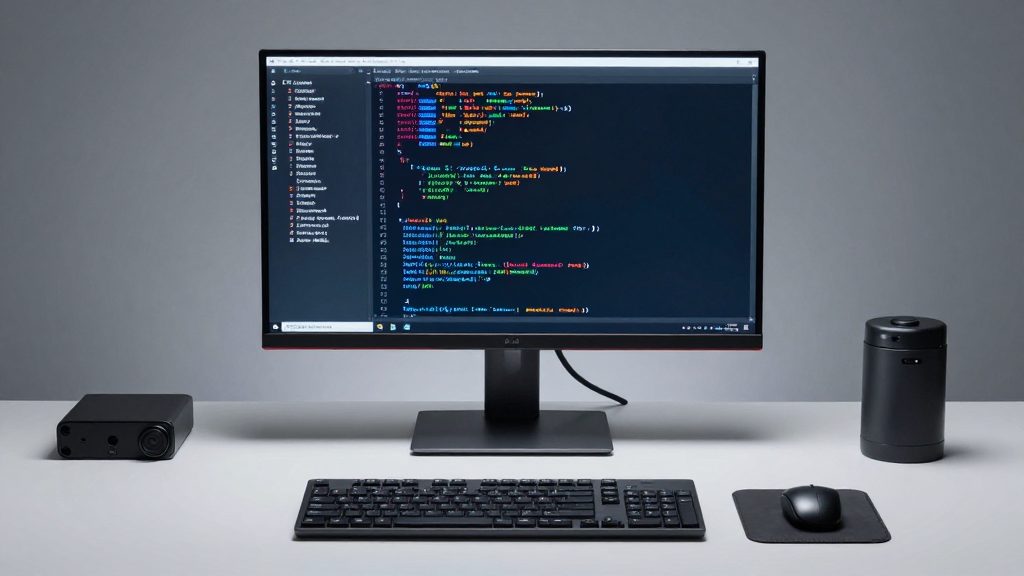
3. Characteristics of Intelligent Tools Optimized for Automated Review
- Natural Language-Based Feedback: Instead of simple error messages, these tools provide advice like “This function queries the database repeatedly—consider caching.” This makes feedback more natural and actionable.
- Continuously Learning Updates: Since coding styles vary across companies, tools that can learn from actual team code will improve accuracy over time.
- User Customization Features: The ability to set review rules based on security policies or quality metrics is a key feature for teams that want control over their code review process.
4. Key Strengths and Considerations by Tool
- Tool A: Offers fast performance in large-scale projects, completing reviews within an average of 30 seconds per commit. However, feedback generated is sometimes too basic and requires manual review.
- Tool B: Provides risk ratings alongside recommended fixes, making it highly trusted in security-focused areas. However, there's a risk of misanalysis if the tool isn't familiar with team coding styles.
- Tool C: Can learn from internal codebases. While initial setup is complex, accuracy improves as the team uses similar patterns. There's a risk of insufficient learning data during early adoption.
5. Improving the Reliability of Review Feedback
AI can be faster than humans but is still prone to errors. To increase feedback reliability, follow these conditions: - Feedback should be based on code structure (e.g., loop nesting, state changes). - Include various examples to compare cases where the rule applies vs. those where it doesn’t. - Ensure there's a mechanism for user feedback, allowing questions like “Why is this change necessary?”
6. Pre-Adoption Considerations: Team Culture and Skill Level

- For less experienced teams, tools that focus on basic syntax errors and safety checks are more suitable.
- For more advanced teams, tools that include intent analysis for complex algorithms or concurrency issues are essential for sustained growth.
- After adoption, it's important to adjust feedback frequency. Too frequent reviews can lead developers to ignore feedback or treat it lightly, so setting appropriate intervals and priorities is crucial.
7. Conditions for Long-Term Successful Adoption

Adopting AI-based code review tools is not just about installation—it requires regular feedback analysis, periodic accuracy reviews, and user satisfaction surveys. Most importantly, the tool should serve as a support role, not replace human responsibility for code quality. The best tools are those that encourage developers to ask “Why?” and think about how to fix issues themselves.
Related posts

AI Model Release Checklist: 7 Things to Check Before You Release It

7 Key Checkpoints for AI-Based Automation Tools: 7 Elements You Must Verify Before Applying to Real Work
6 Key Things to Check Before Deploying AI Models

AI Model Release Strategy: Open Source vs Closed Source - Which One Is Actually Useful?
Popular posts
AI Model Release Checklist: 7 Things to Check Before You Release It
7 Key Checkpoints for AI-Based Automation Tools: 7 Elements You Must Verify Before Applying to Real Work
6 Key Things to Check Before Deploying AI Models
Comments 0