AI regulation global standards: Why nations adopt rules
"The rapid evolution of machine intelligence has forced nations to move from abstract discussions to concrete legal frameworks."
Global AI regulation standard-setting involves international cooperation to establish ethical boundaries and legal oversight for emerging technologies.
This process ranges from broad ethical frameworks adopted by hundreds of nations to specific domestic laws targeting misinformation or development plans. This guide explores how these rules evolve, how governments shape AI, and the current state of international standard setting.
How do global rules evolve?
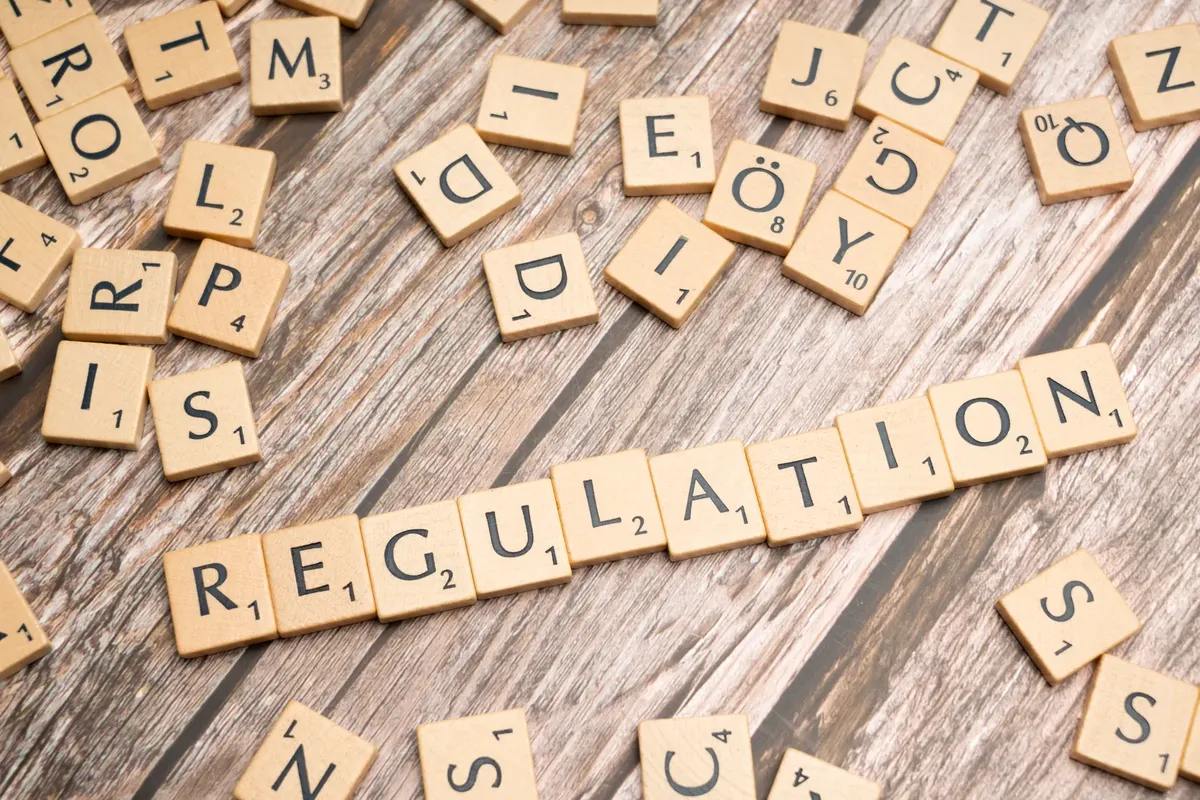
A diplomat sits at a large mahogany table, reviewing drafts of ethical guidelines intended to unify disparate legal systems. The process of setting AI regulation global standards often begins with long-term planning to ensure that technological progress does not outpace human oversight.
Such efforts aim to create a cohesive environment where innovation can flourish under a shared understanding of responsibility.
The timeline for these changes is often measured in years of deliberation. This period of research and negotiation is essential for building consensus among nations with different political and economic interests.
Such foundational work ensures that the resulting instruments are robust enough to withstand the shifting tides of technological change.
- Identification of emerging technological risks.
- Negotiation of multilateral consensus.
- Implementation of standardized protocols.
How do governments shape AI? AI regulation global standards
The lawmaker gripped the cold pen during the late evening session as she drafted the new regulation.
A lawmaker reviews a legislative bill that could change how digital content is monitored across an entire continent. Different nations employ various methods to manage the risks associated with automated systems, from broad strategic plans to targeted regulatory powers.
The regulation of AI in China is mainly governed by the State Council of the People's Republic of China's July 8, 2017 "A Next Generation Artificial Intelligence Development Plan" (State Council Document No.
In some regions, the focus is on long-term strategic growth and centralized oversight.
Other nations focus on immediate societal risks like the spread of false information. In September 2024, a bill was introduced which granted the Australian Communications and Media Authority powers to regulate AI-generated misinformation.
This demonstrates how the rule-making process shifts to address specific, real-world harms as they emerge.
In this sequence, the second step is the most extensive.
What are the results of international standard setting?

Delegates from around the world gather in a large assembly hall to cast votes on a historic document. The goal of international standard setting is to create a unified front against the risks of unregulated automation.
One of the most significant milestones in this area occurred through collective diplomatic action. UNESCO tabled the international instrument on the ethics of AI for adoption at its General Conference in November 2021; this was subsequently adopted by all 193 member states.
This wide-scale adoption represents a rare moment of global consensus on the ethical boundaries of technology.
| Scope of Regulation | Primary Objective |
|---|---|
| Global Ethical Instrument | Universal ethical alignment for 193 states |
| National Development Plan | Strategic technological growth and oversight |
I observed how these different levels of governance intersect when comparing the broadness of the UNESCO agreement to the specificity of national mandates. While the global instrument provides a moral compass, national laws provide the enforcement mechanisms.
How can we apply these frameworks to existing conditions?
A policy analyst applies a newly drafted ethical framework to a current software deployment to ensure compliance. Applying these rules to existing conditions requires a systematic approach to ensure that legacy systems meet modern standards.
- Review the existing technological infrastructure against the newly adopted ethical guidelines. 2. Identify specific areas where automated decision-making might conflict with established human rights or safety protocols. 3. Implement technical safeguards or policy updates to bridge the gap between current operations and the new regulatory requirements.
A final check involves auditing the updated system to ensure that the changes effectively mitigate the identified risks. This iterative process is necessary because technology moves faster than the law.
What are the limitations of current regulation?
A researcher notes that while a law is in place, the technical reality of the software often moves faster than the legal text. A limitation of these frameworks is that they often struggle to account for the rapid pace of technical breakthroughs that occur between legislative sessions.

According to the Australian Communications and Media Authority, a bill was introduced in September 2024 that granted the agency powers to regulate AI-generated misinformation.
For instance, the broadness of a global ethical instrument may lack the granular detail needed to regulate specific, niche applications of AI.
The same subject is also called AI rule making process.
The same subject is also called Global AI policy talks.
The same subject is also called Setting AI benchmarks.
The same subject is also called International AI norms.
Related
- AI regulation and firm value: Guide to compliance tips
- Top 10% scores: AI research limits and strategy guide why
How does the rapid evolution of technology challenge global standards?
The rapid evolution of machine intelligence presents a constant challenge to the stability of global AI regulation standards. The timeframe required for international consensus often lags behind the speed of technological breakthroughs. This disparity means that the foundational work designed to ensure robust instruments may become outdated before implementation is complete. The condition of technological advancement forces regulators to continually reassess the scope of their oversight. Furthermore, the difference between the broad ethical guidelines and the specific domestic laws highlights the difficulty in maintaining consistent regulatory coverage across diverse national interests.
Understanding the Regulatory Implementation Process
The implementation of standardized protocols involves several critical procedural steps. First, the governing body must define the specific parameters of the AI system being regulated. Next, compliance teams assess whether the system's automated decision-making aligns with the established human rights protocols. These teams then work to implement technical safeguards, which might include algorithmic transparency tools or data input limitations. A crucial caution in this process is that the iterative review must account for the possibility of unforeseen emergent risks. This systematic approach ensures that the transition from abstract ethical framework to functional operational compliance is thorough.




Comments 0