AI for low carbon farming: Why it helps food security
"To meet the demands of a growing global population, agriculture needs to produce about 50% more food, feed and fibre by 2050 compared with the volumes it generated in 2012."
The implementation of AI for low carbon farming is an essential strategy to bridge the gap between rising global food demands and environmental preservation. This approach focuses on optimizing resource use to stabilize yields while minimizing the ecological footprint of traditional farming.
Key takeaways include the necessity of technological integration, the challenge of small-scale farm management, and the critical need for productivity gains to offset land limitations.
Why is AI for low carbon farming necessary for future food security?
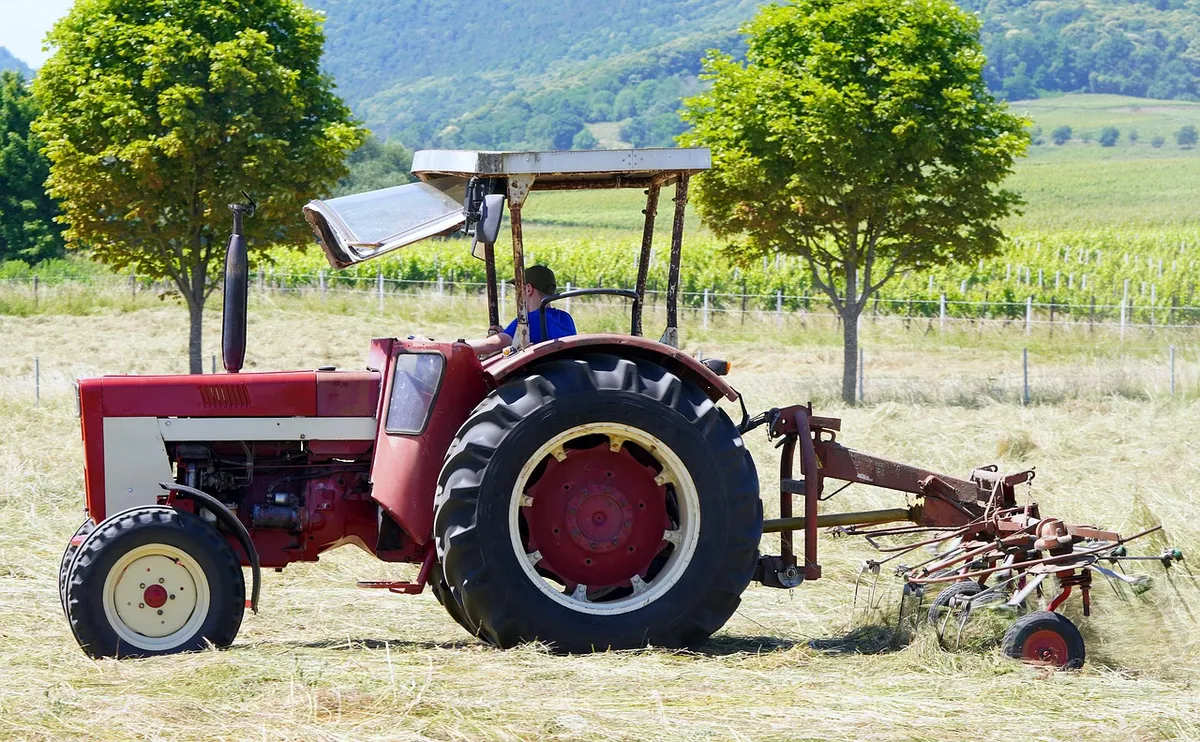
At sunset in the dusty field, the farmer wipes sweat from his brow while staring at a screen that tracks every gram of sequestered carbon.
A farmer stands in a field, looking at a digital interface that monitors soil health and moisture levels. The pressure to increase yields is mounting as global populations grow.
According to estimates by the Food and Agriculture Organization of the United Nations (FAO), agriculture must produce approximately 50% more food, feed, and fibre by 2050 compared to 2012 levels. This massive increase in production must occur without further destroying natural habitats.
Using AI for low carbon farming provides a way to increase output through efficiency rather than land expansion.
The push for more food often leads to land clearing, but technological optimization offers a different path. Current trends show that agricultural expansion remains a primary driver of global deforestation, accounting for nearly 90% of forest loss.
By maximizing the efficiency of existing plots, we can reduce the need for further expansion.
How can we achieve AI smart agriculture through combined technologies?
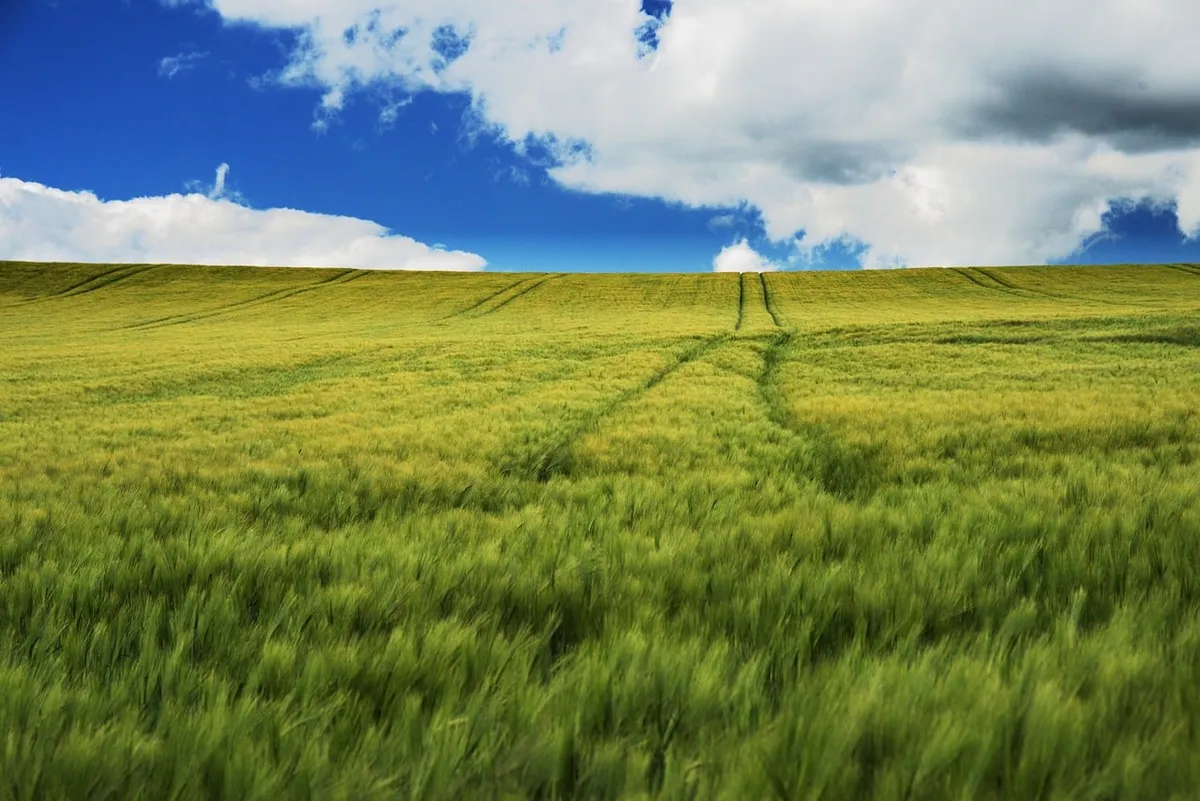
In the quiet morning air, the technician tightens a bolt on the sensor, feeling the cold metal as he synchronizes data to lower the farm's carbon footprint.
A technician adjusts a sensor on a tractor, ensuring that autonomous systems communicate with satellite data. Success depends on how different tools talk to one another.
The impact of these digital tools is maximized when they are used together rather than in isolation. According to a 2014 report by the International Food Policy Research Institute, agricultural technologies will have the greatest impact on food production if adopted in combination with each other.
This synergy is the foundation of AI smart agriculture.
When precision tools work in unison, they prevent the waste of water, fertilizers, and energy. Integrating various data streams allows for a more holistic management of the farm ecosystem.
This integrated approach helps mitigate the risks of soil degradation and diseases, which currently affect approximately 40% of the world's agricultural land.
According to FAO, the 2050 record includes 50%.
What are the challenges of Green farming with AI on small farms?
A smallholder farmer walks through a narrow row of crops, holding a handheld device to check nutrient levels. The scale of the operation dictates the type of technology needed.
The global landscape of farming is highly fragmented, presenting unique hurdles for widespread technology adoption. Five of every six farms in the world consist of fewer than 2 hectares (4.9 acres) and take up only around 12% of all agricultural land.
Implementing Green farming with AI on these tiny plots requires affordable, scalable, and rugged solutions.
While large-scale operations can easily absorb high costs, smallholders face different economic realities. An estimated 2.5 billion subsistence farmers worked in 2018, cultivating about 60% of the earth's arable land. For these individuals, technology must be accessible to be truly transformative.
How does AI crop optimization manage land constraints?
A drone flies over a vast field, mapping out the exact needs of different crop zones. The goal is to get the most out of every square meter.
As the global population rises, the availability of fertile land becomes a tightening constraint. We must find ways to produce more on less land through AI crop optimization. This is critical because, between 2001 and 2023, the global agricultural area decreased by 78 million hectares (Mha) (−2%).
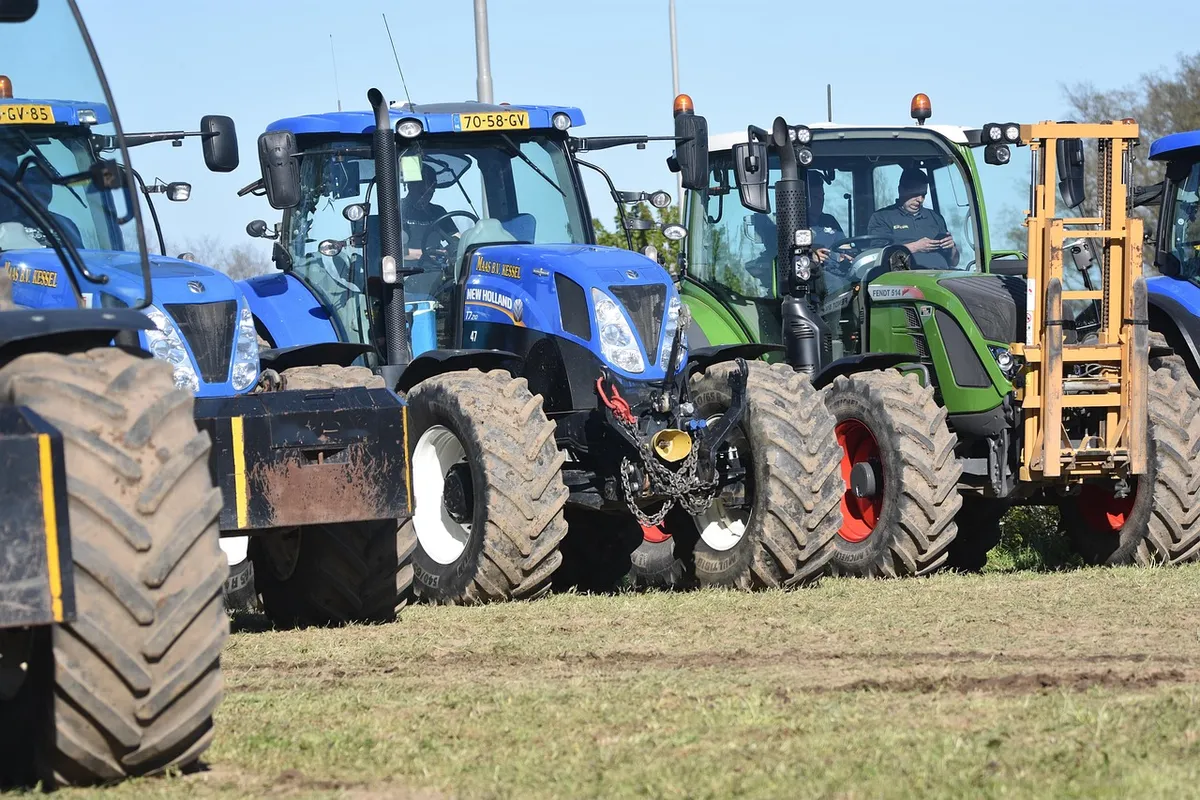
Maximizing productivity on current land is the only way to avoid further environmental degradation. Between 1964 and 2023, most of the increase in agricultural production was achieved through intensification, while the expansion of agricultural land was limited to just 8%.
Digital tools can drive this intensification further by targeting specific needs of the soil.
What is the process for implementing AI driven farming revolution?
An engineer sits at a desk, reviewing data models that simulate crop growth under various climate scenarios. The transition to high-tech farming requires a structured approach.
Moving toward an AI driven farming revolution involves shifting from traditional methods to data-centric management. This transition requires careful planning to ensure that productivity gains are sustainable.
- Data Collection: Deploying sensors and satellite imagery to gather real-time information on soil, weather, and crop health. 2. Analytical Integration: Using algorithms to process this data to identify precise needs for irrigation, fertilization, or pest control. 3. Precision Application: Executing specific actions, such as variable-rate spraying or automated irrigation, based on the analytical outputs.
After these steps, a final check of the ecosystem's health and the cost-benefit ratio must be performed. I observed that the transition from manual to automated systems requires significant initial investment, but the long-term resource savings are the primary driver for adoption.
What are the limitations of these technologies?
A researcher looks at a map showing regions where soil health has plummeted due to intensive farming. Even with technology, certain environmental realities remain difficult to manage.
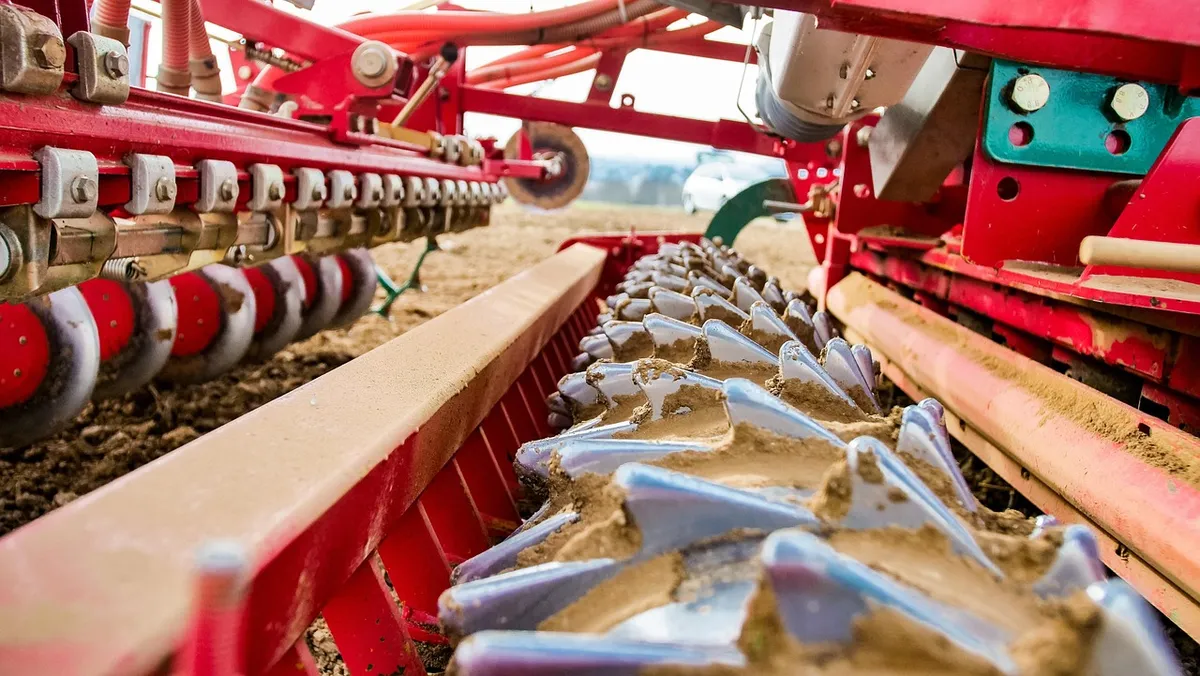
The effectiveness of technology is often limited by the existing condition of the land. For instance, approximately 40% of the world's agricultural land is seriously degraded, making it difficult for even advanced systems to restore productivity quickly.
| Factor | Scale/Impact |
|---|---|
| Small Farms | 5 out of 6 globally |
| Large Farms | < 1% of all farms |
A limitation of these digital solutions is that they may not be immediately effective on heavily degraded soil without significant physical remediation.
- Why is AI for low carbon farming necessary for future food security?
- How can we achieve AI smart agriculture through combined technologies?
- What are the challenges of Green farming with AI on small farms?
The same subject is also called Sustainable farm tech.
This part also covers Reducing carbon in farming.
This part also covers AI boosting farm efficiency.
Related






Comments 0