AI marketing consumer behavior: Guide to influencer risks
"Attributions drive endorsers, and globally 77% of shoppers would or may take action following what family, friends, and online reviews endorse."
AI marketing consumer behavior is shifting from broad broadcasting to highly personalized, influence-driven engagement. This transition focuses on how automated systems interpret social proof and peer validation to guide purchasing decisions.
Understanding the next steps requires looking at how digital endorsements intersect with algorithmic targeting.
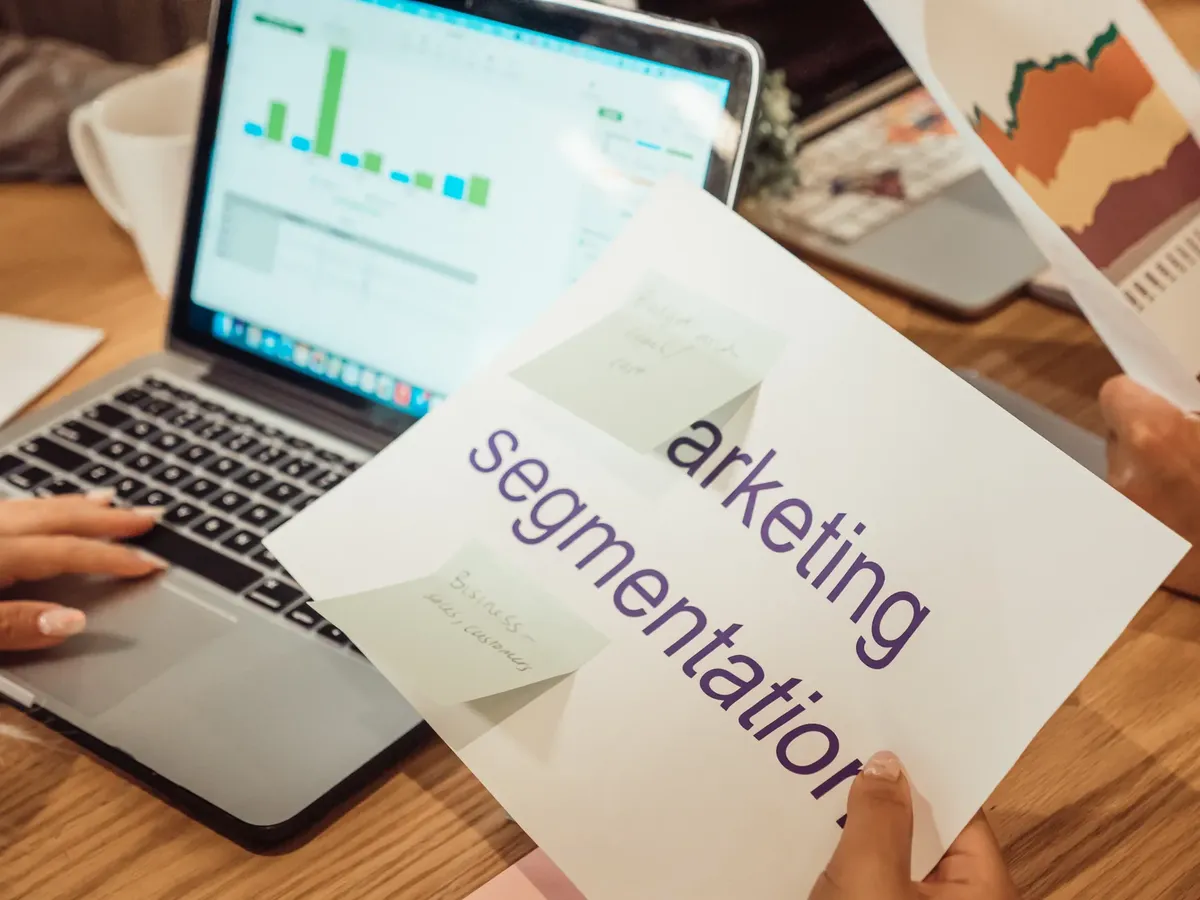
Key takeaways: * Social proof remains the primary driver of consumer action in digital spaces. * Influencer marketing is a massive global investment subject to fraud risks. * The shift toward entrepreneurship among younger demographics changes the nature of brand interaction.
How does AI marketing consumer behavior change through social influence?
In the quiet office at midnight, the researcher stares at the glowing screen as the shifting patterns of AI marketing ripple through the digital crowd.
A researcher sits at a desk, observing how a single social media post can ripple through a global network of buyers.
The digital landscape has moved far beyond the early-2000s, when research suggested that 80 to 92 percent of influential consumer exchanges occurred face-to-face through word-of-mouth, compared to only seven to 10 percent in an online environment.
The current environment relies heavily on digital trust. According to a 2015 article, attributions drive endorsers, and globally 77% of shoppers would or may take action following what family, friends, and online reviews endorse.
This constant stream of peer-driven data provides the fuel for AI-driven marketing strategies.
As algorithms learn to identify these influential nodes, the scale of influence grows. This creates a loop where automated tools identify the most credible voices to target specific audience segments.
However, the effectiveness of these shifts may be limited when social influence lacks authentic human connection.
What are the risks of influencer marketing consumer behavior shifts?
At dawn in the silent office, the manager rubs tired eyes while staring at a fraudulent influencer marketing report that feels like a cold weight in her chest.
A marketing manager reviews a dashboard, noticing a discrepancy between follower counts and actual engagement metrics. While 86% of brands planned to use influencer marketing in 2024, the human-centric nature of these partnerships introduces significant vulnerabilities.
The scale of the industry makes it a target for manipulation. A study of UK influencers which looked at almost 700,000 posts from the first half of 2018 found that 12 percent of UK influencers had bought fake followers.
This type of fraud complicates the data that AI models use to predict consumer trends.
Fraudulent data can lead to massive financial losses. Influencer fraud, including fake followers, was estimated to cost businesses up to $1.3 billion, which is about 15 percent of global influencer–marketing spending.
However, these risks are often magnified when automated content lacks transparency.
How do younger generations shape the future of AI marketing consumer behavior?

A young student scrolls through a feed, seeing a creator explain a new business venture. For the next generation of consumers, the line between content consumption and entrepreneurship is increasingly blurred.
This demographic shift is a vital component of the AI marketing consumer behavior landscape. A 2023 survey conducted by Junior Achievement found that 76% of US teens had an interest in becoming entrepreneurs, while the majority of those teens cited social media influencers as their inspiration.
This indicates that the future consumer is also a potential creator.
These aspiring entrepreneurs are digital natives who understand the mechanics of influence. Their participation ensures that marketing will continue to move toward authentic, personality-driven engagement.
However, the impact of these trends may diminish if the technology fails to align with evolving ethical standards.
How can brands manage influencer marketing consumer behavior risks?
A legal consultant examines a contract, ensuring that all digital endorsements comply with regional regulations. To maintain integrity in an automated world, brands must implement rigorous verification processes.
To navigate this landscape, brands can follow these steps: 1. Audit influencer authenticity by analyzing engagement-to-follower ratios to detect potential fraud. 2.
Verify compliance with regulatory bodies, such as how the Federal Trade Commission (FTC) in the United States treats influencer marketing as a form of paid endorsement. 3. Integrate diverse data points beyond follower counts to validate the real-world impact of an endorsement.
A final check involves comparing the cost of influencer engagement against the actual conversion rates to ensure ROI is not being inflated by fake metrics.
- Identify potential vulnerabilities in automated engagement.
- Implement oversight protocols for influencer-driven content.
- Monitor real-time shifts in consumer sentiment.
- In this sequence, the second step is the most critical.
What is the role of professional marketing organizations?
A scholar reads a journal article, analyzing the methodologies used to study digital trends. Professional bodies provide the framework for understanding these complex shifts.
The Chilean Web Archive was launched on August 19, 2015, as a service whose objective is to store and preserve various national websites with the purpose of ensuring the availability of information and knowledge generated in digital format, according to the Chilean Web Archive.
The Academy of Marketing Science (AMS) is an international scholarly association dedicated to the field of marketing. It publishes the Journal of the Academy of Marketing Science (JAMS), which includes empirical, conceptual, and methodological articles.
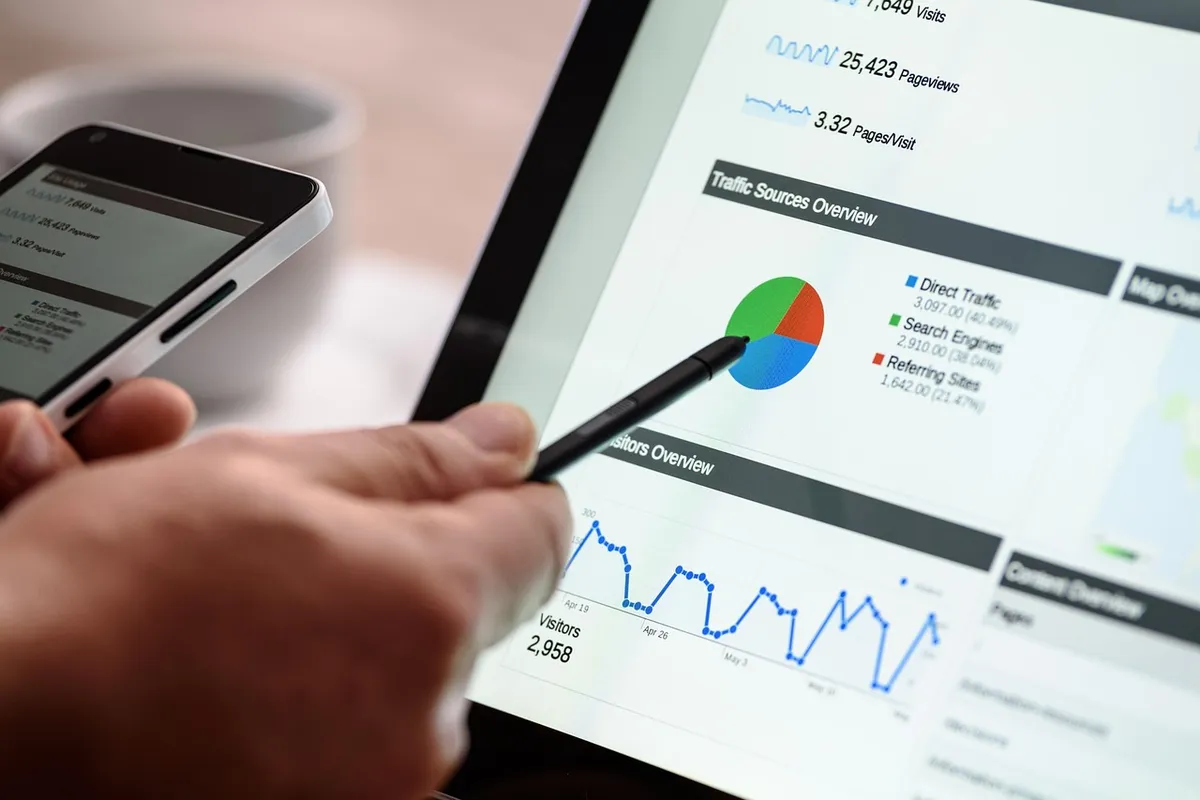
These publications help professionals decode the complexities of digital influence.
By providing peer-reviewed insights, these organizations help bridge the gap between raw data and strategic application.
However, the influence of these organizations is limited when they fail to keep pace with rapid technological advancements.
The same subject is also called AI digital marketing trends.
The same subject is also called Consumer behavior AI impact.
The same subject is also called Next step in marketing.
The same subject is also called AI marketing strategy now.
This part also covers How AI changes buying habits.
This part also covers Future of digital marketing.
This part also covers AI tools for consumer insight.
How AI changes buying habits
Related








Comments 0