AI in medical diagnosis: Best ways to manage liver failure
"This trial should determine whether a device that incorporates human rather than pig-liver cells can reduce those risks and perhaps function more like a normal human organ."
AI in medical diagnosis is shifting from theoretical models toward practical, life-sustaining hardware. This technology serves as a technical foundation for managing acute organ failure and enhancing clinical decision support.
This guide explores how advanced devices provide temporary support for failing organs, the goal of protecting vital systems during recovery, and the limitations of current evidence-based interventions.
How does AI-driven technology support acute organ failure?
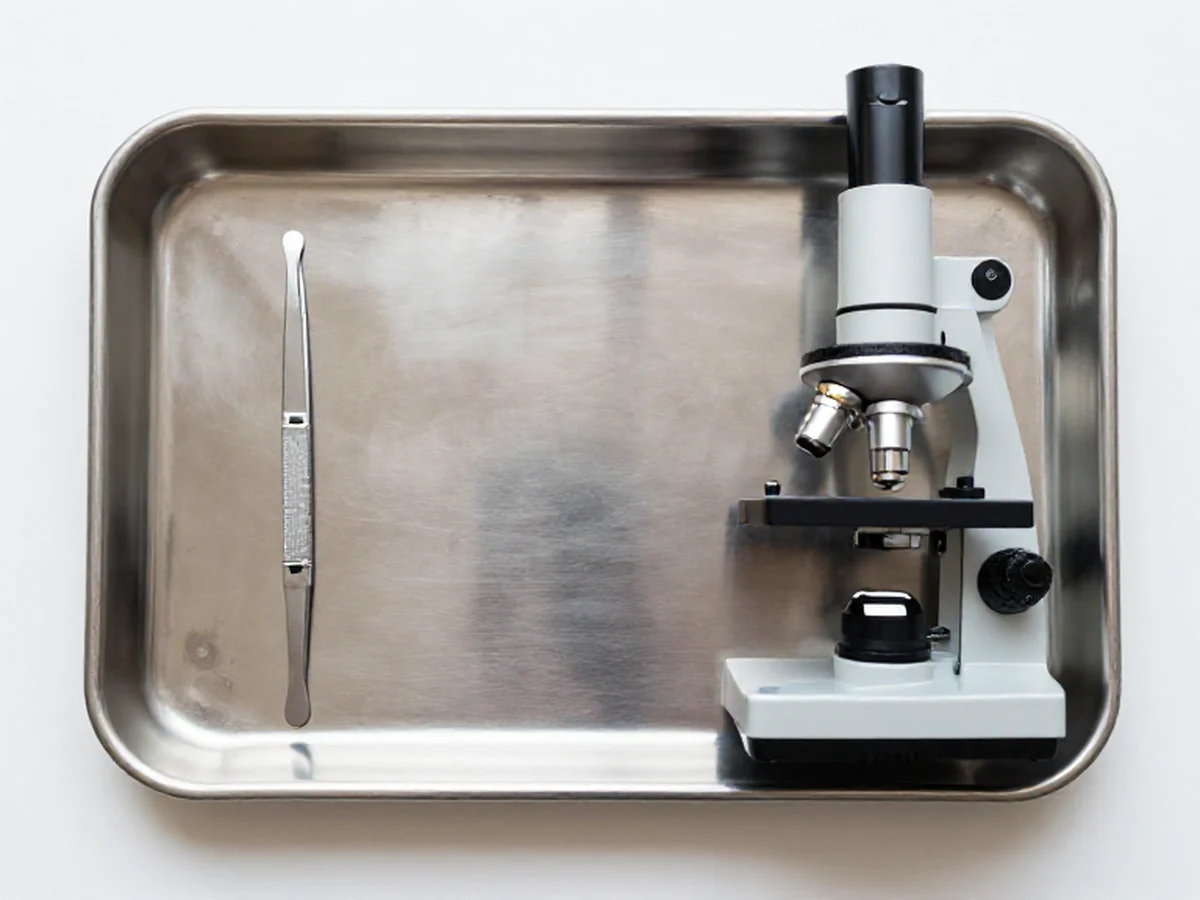
A clinician monitors a patient experiencing sudden liver failure, looking for ways to stabilize vital functions. The technology aims to provide a bridge for patients who cannot immediately undergo transplantation.
The primary goal of the ELAD Artificial Liver is to support the patient through a brief period of liver failure, protecting the brain and other organs. This device is designed to give the damaged liver time to recover without transplantation.
By providing this temporary support, the technology aims to stabilize the patient's condition during a critical window.
The device is designed to be used continuously for up to 10 days. This timeframe allows for a controlled period of recovery for the patient's natural organ.
Can advanced devices act like my own organs? AI in medical diagnosis A researcher examines a prototype device, testing how it interacts with biological cells to mimic natural physiological processes. The focus remains on reducing risks associated with animal-derived tissues.
A trial is being conducted to determine whether a device that incorporates human rather than pig-liver cells can reduce those risks and perhaps function more like a normal human organ. This comparison seeks to understand if biological integration improves the efficacy of life-support systems.
By focusing on human cell integration, researchers aim to bridge the gap between mechanical assistance and natural biological function. This approach is central to the future of AI medical accuracy.
What is an artificial liver system trying to achieve? A medical team prepares a patient for an intensive recovery period, ensuring the brain and other vital organs remain stable. The intervention is targeted at a specific, time-sensitive medical crisis.
This support is intended to last for up to 10 days.
By stabilizing these systems, the technology aims to prevent multi-organ failure during the recovery phase.
The focus remains on protecting the patient while the damaged liver has time to recover. This temporary stabilization is a key aspect of enhancing clinical decision support.
How is recovery managed in acute failure scenarios?
A patient moves from intensive care to a standard hospital room, showing signs of gradual stabilization. The transition marks the end of a critical treatment window.
In cases where the technology successfully stabilizes a patient, the goal is to allow the damaged liver time to recover without transplantation. For example, one patient recovered quickly and was discharged from the hospital within 10 days.
This demonstrates the potential for short-term intensive support to lead to successful clinical outcomes.
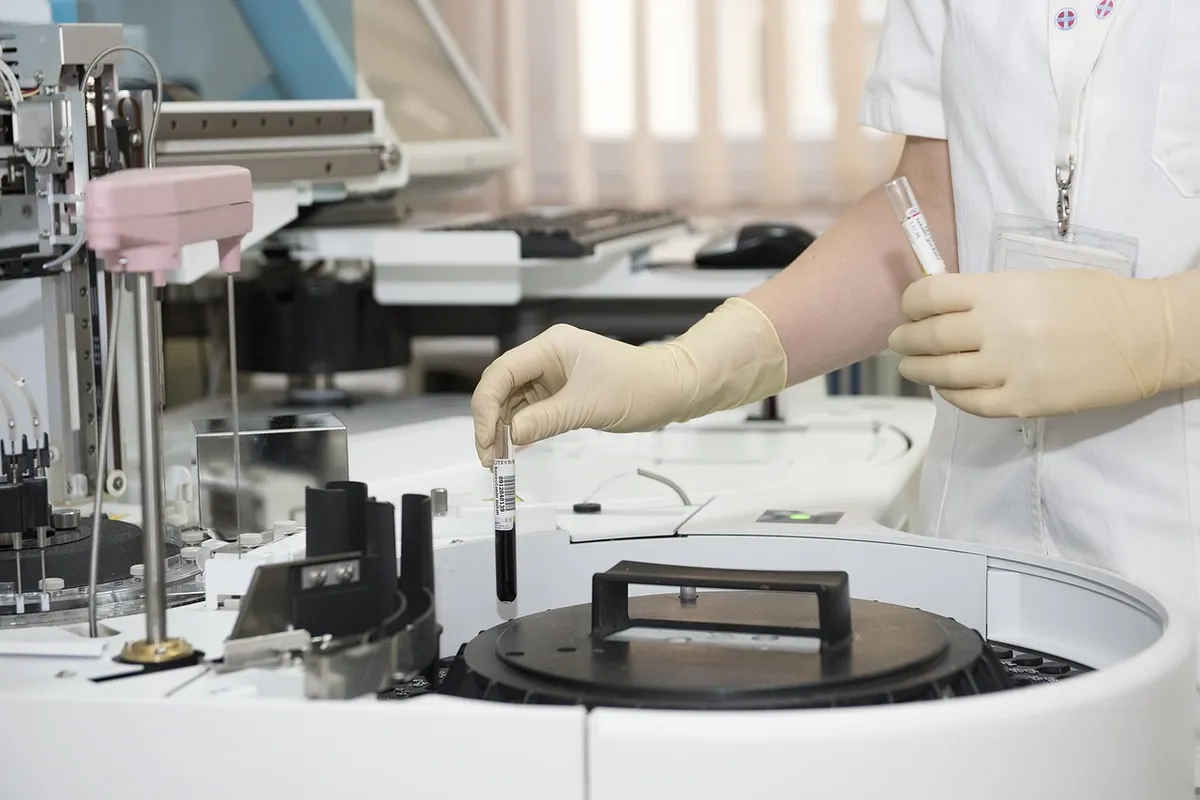
The success of such interventions depends on the window of opportunity provided by the device. This period of stability is essential for managing sudden health crises.
What are the limitations of current medical interventions?
A researcher reviews a large database of clinical studies, noting the varying levels of evidence for different medical treatments. The data shows that not all interventions are backed by strong findings.
The effectiveness of medical interventions can vary significantly depending on the type of treatment. According to a 2001 review of 160 Cochrane systematic reviews, 21.3% of the reviews concluded insufficient evidence, 20% concluded evidence of no effect, and 22.5% concluded positive effect.
This highlights the complexity of determining the true impact of new medical technologies.
| Review Metric | Conclusion Percentage |
|---|---|
| Insufficient Evidence | 21.3% |
| Evidence of No Effect | 20% |
I observed that the clarity of these findings is essential when comparing different technological approaches to patient care.
How do we evaluate the success of diagnostic tools?
A scientist analyzes data from various clinical trials to determine if a new tool meets the necessary standards for widespread use. The evaluation process is rigorous and data-driven.
Evaluating the success of new medical tools requires looking at both the immediate physiological impact and the long-term recovery of the patient. The reliability of these tools is central to AI healthcare progress.
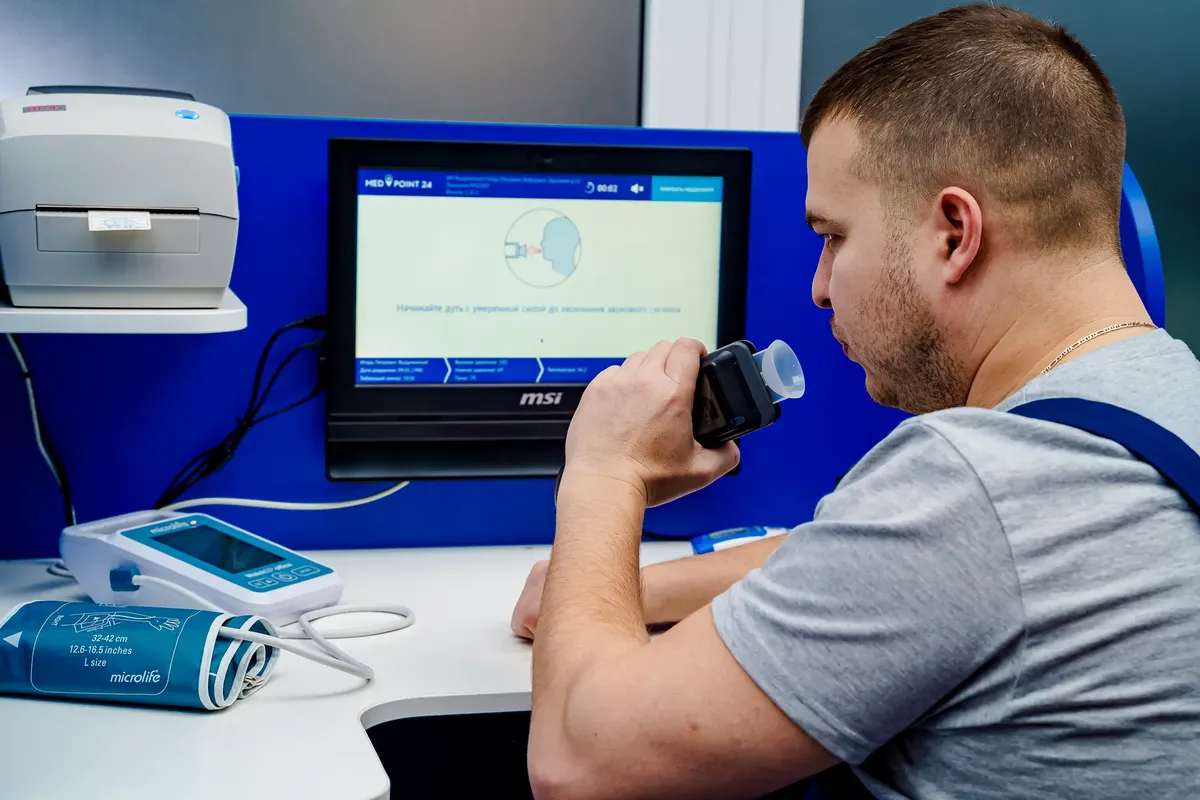
It is important to note that while technology advances, the strength of clinical evidence remains a primary factor in adoption.
One limitation is that the effectiveness of such devices is dependent on the specific condition of the patient's failing organs.
The subject here is AI in medical diagnosis.
The same subject is also called Smart medical tools.
The same subject is also called Improving medical tests.
This part also covers AI driven diagnostic breakthroughs.
This part also covers Future of medical imaging AI.
AI driven diagnostic breakthroughs
Related
- Google AI antitrust impact: How to guide business risks
- AI legal automation strategy: Tips for legal tech innovation
What conditions necessitate the use of this trial? 1. The patient must be experiencing sudden liver failure, requiring immediate stabilization of vital functions. 2. The patient must be in a state where immediate transplantation is not feasible. 3. The clinical situation must be critical enough to warrant temporary support for the failing organ.
This trial should determine if the device offers a viable alternative when standard stabilization methods are insufficient. The comparison between human-cell and pig-cell integration directly addresses the safety concerns inherent in current life-support options.
The ultimate success of the trial hinges on whether the device can function more like a normal human organ under these acute conditions.
Based on the retained excerpt mentioning The Cochrane database of systematic reviews: Moderate-quality evidence shows that educational interventions alone probably have little or no effect on HRQoL (6 studies) or on ED/hospital admissions (4 studies) when compared with usual care.
FAQ
What is the main purpose of the ELAD Artificial Liver?
How long can the device be used continuously?
Related posts

Google AI antitrust impact: How to guide business risks

AI legal automation strategy: Tips for legal tech innovation

Google AI antitrust court: How search practices set stage





Comments 0