Power use Next stage of power use why intelligent systems
"The next stage of power use involves moving from passive conservation to active, intelligent management of complex grids and massive data infrastructures."
The next stage of power use requires transitioning from simple hardware upgrades to integrated, intelligent systems capable of managing massive loads. This shift involves balancing large-scale renewable agreements with highly localized efficiency measures to prevent wasteful surges.
Key takeaways include the necessity of managing data center loads, leveraging long-term renewable partnerships, and implementing rigorous energy performance contracting to ensure realized savings.
What will drive the next stage of power use? A technician adjusts a server rack in a cooling facility, monitoring the massive energy draw. The next stage of power use is defined by the integration of large-scale data processing and renewable energy procurement.
As digital infrastructure expands, the energy needs of these facilities become a primary driver of global consumption.
One estimate put the potential for power consumption by the new Utah Data Center at US$40 million per year. This massive scale necessitates advanced management to prevent overwhelming local grids. Managing such significant costs requires precise, real-time oversight of energy inputs.
The scale of these facilities forces a shift toward smart power consumption. Without intelligent oversight, the sheer volume of electricity required could destabilize existing infrastructure. Future systems must stabilize these loads through predictive analytics.
How do renewable partnerships shape smart power consumption?
An engineer grips the edge of a wooden desk at sunset, staring at the contract that will secure their renewable power.
An engineer reviews a contract for a wind farm project. Advanced energy management often involves securing long-term, reliable energy sources to offset the high demands of modern technology. This strategy bridges the gap between variable renewable generation and constant industrial demand.
In April 2011, Google extended its partnership with NextEra by signing a 20-year power purchase agreement (PPA) for its Minco II Wind Energy Center. Such long-term agreements provide the stability needed for massive technological expansions.
These partnerships ensure that growth does not come at the cost of environmental stability.
The integration of these sources is a cornerstone of future power efficiency. By securing renewable energy through structured agreements, organizations can mitigate the volatility of traditional markets. This proactive approach creates a more resilient energy ecosystem.
Can local efficiency measures support future efficiency? A building manager inspects a new set of LED lighting installed in a commercial hall. While large-scale shifts are vital, the granular application of energy-saving technologies remains a fundamental component of a sustainable grid. These small-scale changes aggregate into significant total savings.

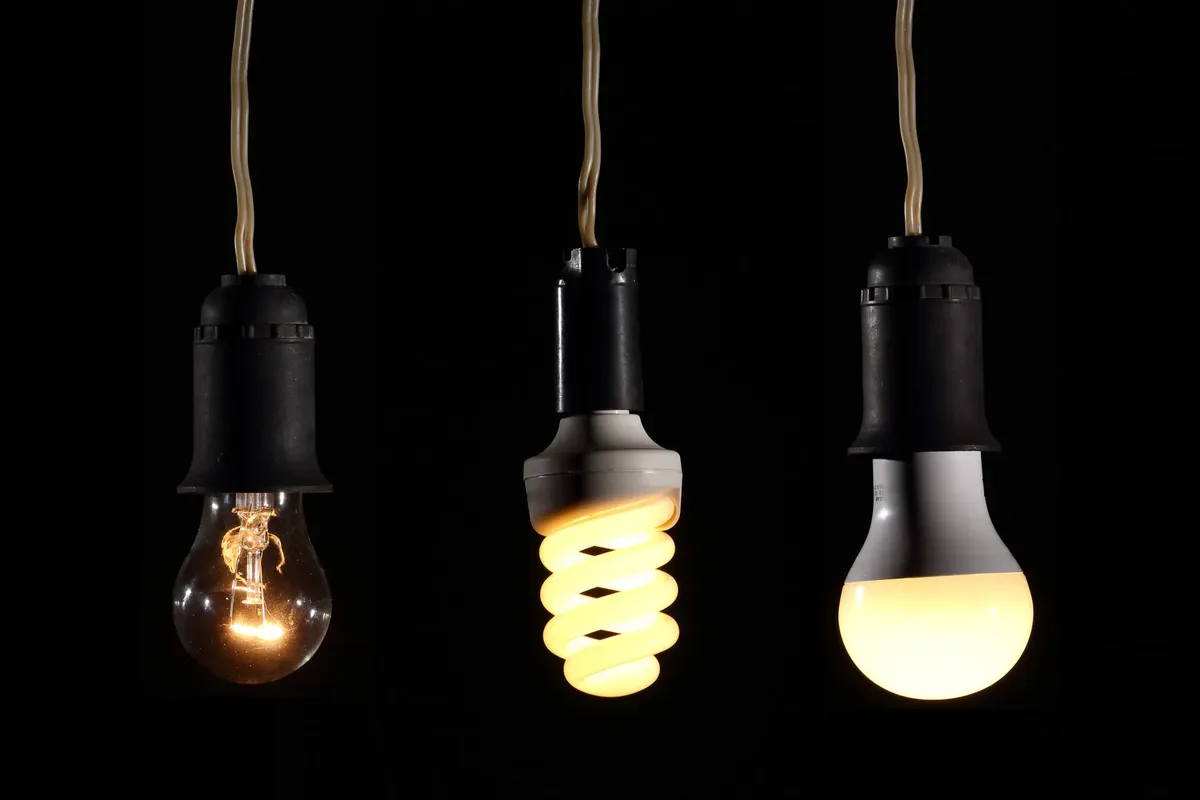
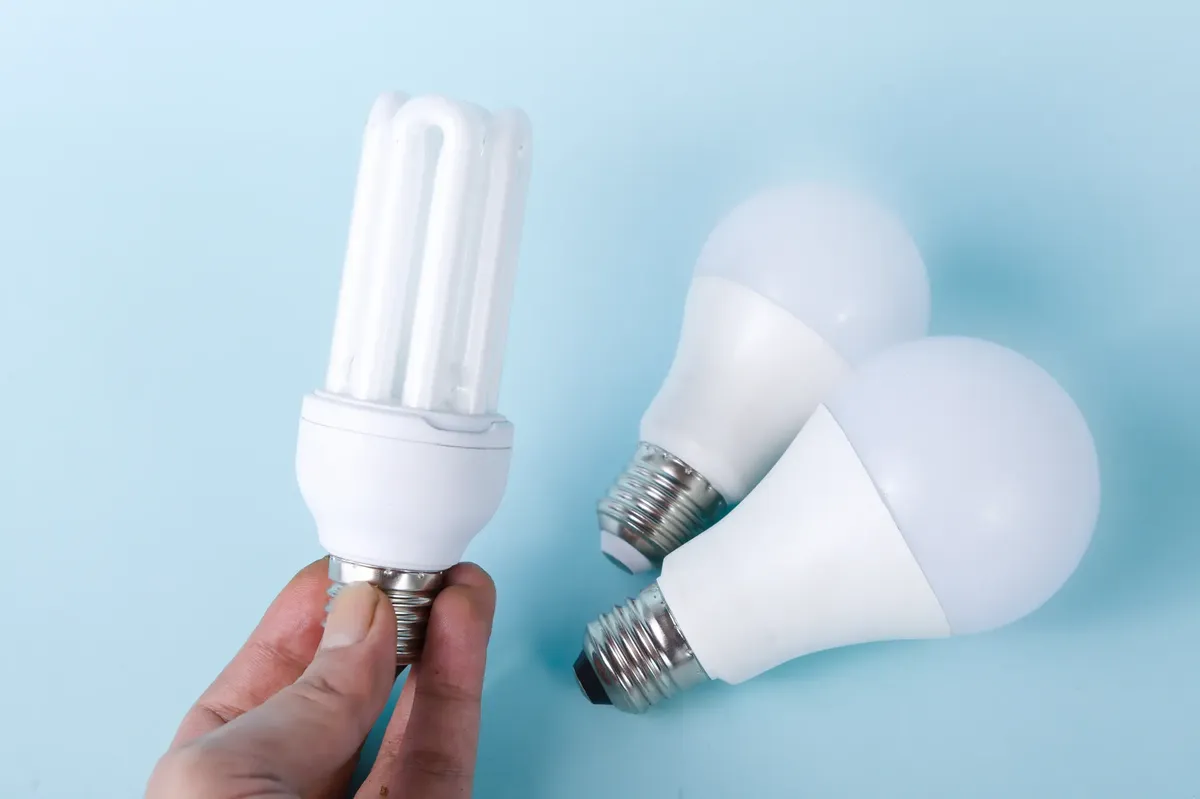
Changing light bulbs to LED lights results in 70-90% less energy consumption than a standard incandescent or C.F.L. This level of efficiency at the component level provides a massive baseline for larger management systems. These upgrades are often the first step in modernizing aging infrastructure.
A window windcatcher can reduce the total energy use of a building by 23.3%. Such passive technologies complement active digital management by lowering the baseline demand. Integrating these solutions ensures that the total energy load remains manageable.
What role do professional standards play in advanced energy management?
An auditor walks through a commercial space with a checklist in hand. Professional oversight ensures that energy-saving measures are actually effective and not just theoretical. Standardized guidelines provide the framework for verifying that technological investments yield real results.
The US-based organization EVO (Efficiency Valuation Organization) has created a set of guidelines for ESCOs to adhere to in evaluating the savings achieved by ECMs. These guidelines prevent the miscalculation of efficiency gains.
Using standardized metrics allows for better comparison across different sectors.
The implementation of ECMs in commercial buildings often employs Energy Service Companies (ESCOs) experienced in energy performance contracting. These professionals bridge the gap between technical potential and actualized savings.
Without this expertise, the transition to smarter systems can falter.
| Metric | Potential Impact |
|---|---|
| LED Light Replacement | 70-90% less energy consumption |
| Window Windcatcher | 23.3% reduction in building energy use |
I observed how these specific hardware changes provided the baseline for my own analysis of energy efficiency.
How do we prevent the rebound effect in energy savings?
A researcher analyzes a data set showing fluctuating energy usage patterns. One critical challenge in energy management is ensuring that efficiency gains do not lead to increased total consumption through higher usage. This phenomenon can undermine the most advanced technological advancements.
A condition is that there be no rebound effect, for otherwise the savings are 32% only or energy use may even increase by 42% if techno-economic potentials are not realized. If efficiency makes energy cheaper or more available, users may consume more, negating the original benefit.
Managing this behavior is as vital as managing the hardware.
The next stage of power use must address this behavioral variable. If efficiency leads to expanded consumption, the net benefit to the grid is lost. Future systems must balance technical efficiency with consumption control.
- What drives the next stage of power use?
- How do renewable partnerships shape smart power consumption?
- Can local efficiency measures support future power efficiency?
The same subject is also called AI energy saving future.
This part also covers AI driven energy optimization.
This part also covers Deep learning in energy use.
This part also covers Grid level energy control.
AI driven energy optimization
Related







Comments 0