What are the measurable impacts on practitioner performance?
"The gap between technological potential and clinical reality remains a central challenge in modern medicine."
The primary technical problem in AI-driven medical diagnosis involves ensuring that automated systems can match or exceed human precision while remaining grounded in high-quality, evidence-based data.
This discussion examines how Clinical Decision Support Systems (CDSS) function, the discrepancies in diagnostic success rates, and the limitations of current evidence-based interventions.
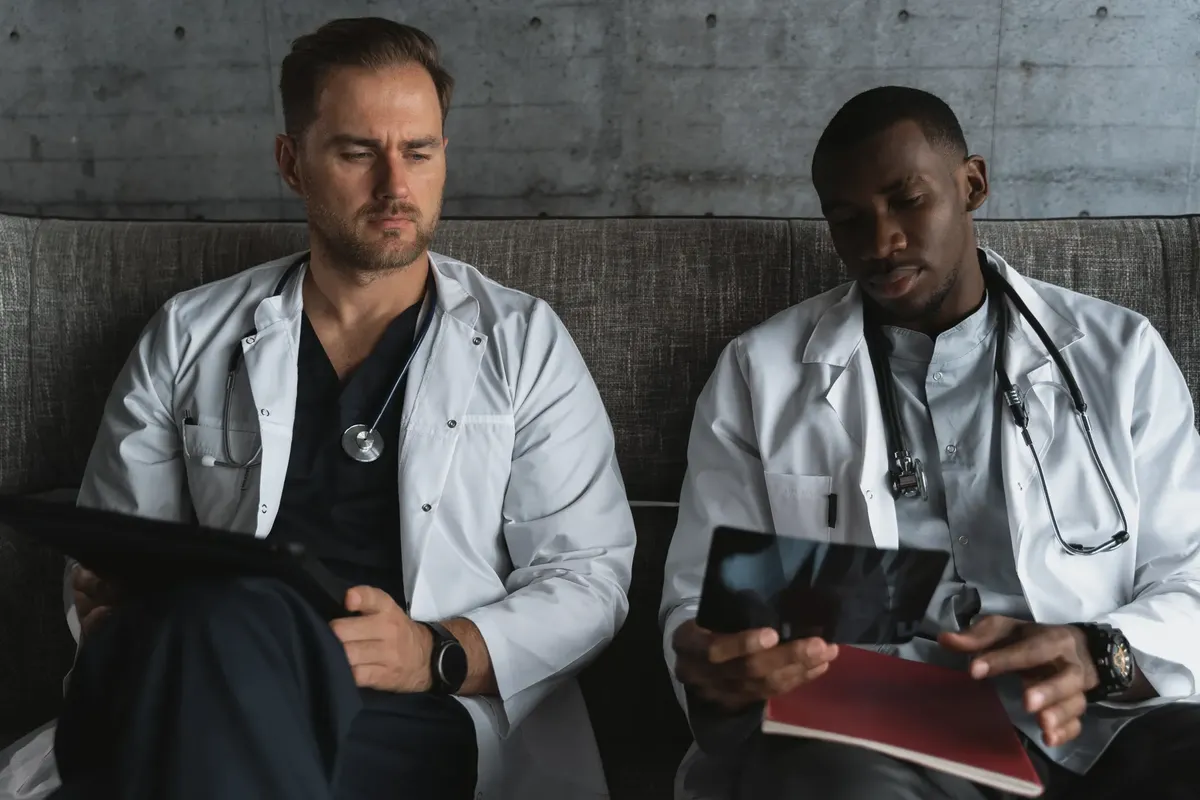
Key takeaways: * CDSS can assist in triaging and improving clinician performance. * Diagnostic accuracy rates vary significantly between automated systems and human clinicians. * The lack of universal evidence-based application remains a hurdle for clinical integration.
How do CDSS tools manage patient triage?
A clinician at a busy workstation taps a screen to review a patient's preliminary symptoms. In some regions, like the National Health Service in England, a CDSS is used to triage medical conditions out of hours by suggesting a suitable next step to the patient.
This automated guidance helps navigate urgent needs when human staff are unavailable.
Technical hurdles in AI medicine often revolve around how these systems categorize urgency. By suggesting specific actions, the technology attempts to direct patients to the appropriate level of care.
While this provides a structured path, the effectiveness depends heavily on the quality of the input data and the logic programmed into the triage algorithms.
What are the measurable impacts on practitioner performance?
A doctor reviews a digital report that highlights a suggested change in a treatment plan. A 2005 systematic review had concluded that CDSSs improved practitioner performance in 64% of the studies and patient outcomes in 13% of the studies.
These figures highlight the varying degrees of success when integrating digital tools into active medical workflows.
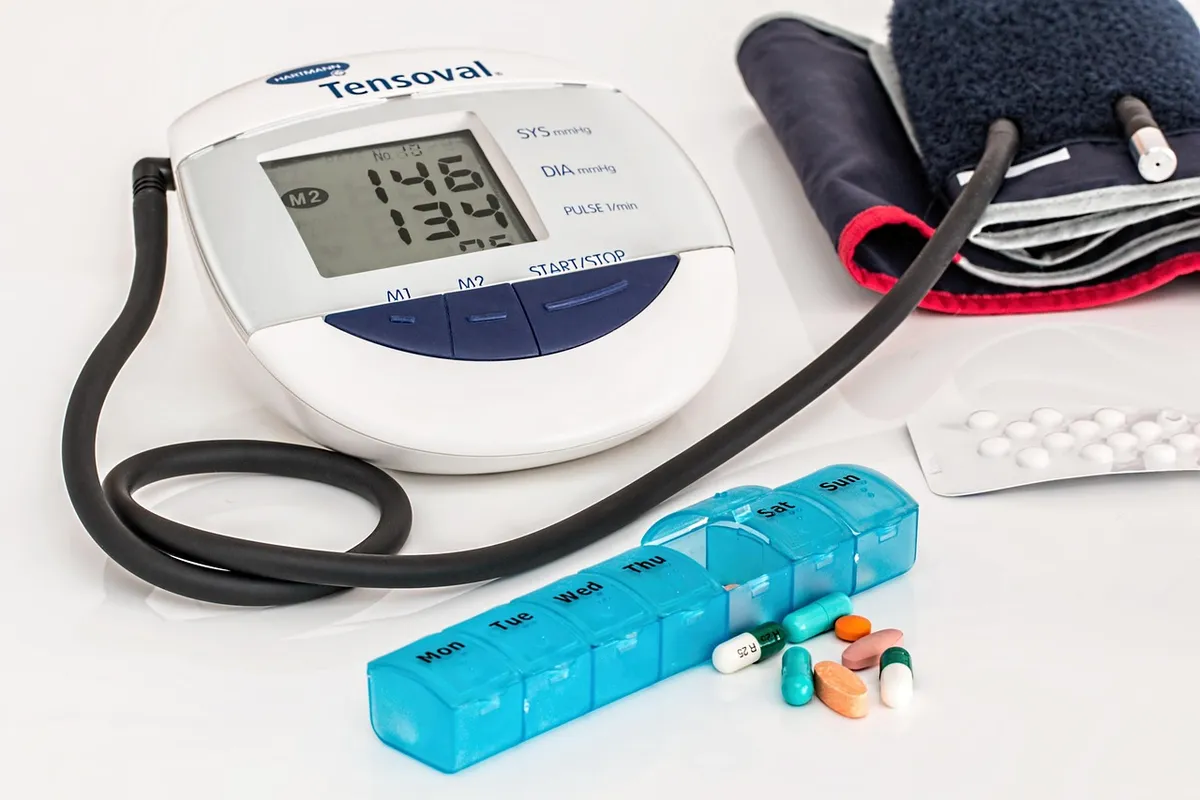
Improving AI medical precision requires understanding these historical performance metrics. While a majority of studies showed improved practitioner performance, the impact on actual patient outcomes was notably lower.
This discrepancy suggests that assisting a professional does not always translate directly to better health results for the individual.
Can AI achieve higher accuracy than human clinicians?
An investigator compares two different diagnostic results on a split-screen monitor. In one reported instance, a system produced a correct diagnosis in 91.8% of cases, compared to the clinicians' success rate of 79.6%.
This comparison illustrates the potential for automated systems to outperform human practitioners in specific diagnostic tasks.
AI diagnostic accuracy problems often arise when these high success rates encounter real-world complexity. While the 91.8% figure shows promise, the gap between 79.6% and 91.8% represents the margin where human intuition and machine logic must find common ground.
Reaching this level of precision consistently across different medical specialties remains a significant technical hurdle.
Why is evidence-based medicine not universally applied?
A researcher reads through a stack of peer-reviewed journals to verify a new treatment protocol.
In the developed world, evidence-based medicine (EBM) is not universally applied in clinical practice; for example, a 2007 survey of literature reviews found that about 49% of medical interventions lacked sufficient evidence to support either benefit or harm.

AI medical standard setting must account for this existing lack of evidentiary certainty. If nearly half of medical interventions lack sufficient evidence, training an AI on these interventions could propagate unverified practices.
Ensuring that algorithms are trained on robust, high-quality evidence is essential to avoid reinforcing clinical gaps.
What are the risks of relying on educational interventions?
A patient sits in a waiting room, reading a pamphlet provided by a clinic. Moderate-quality evidence shows that educational interventions alone probably have little or no effect on HRQoL (6 studies) or on ED/hospital admissions (4 studies) when compared with usual care.
This suggests that simply providing information may not change clinical outcomes.
AI healthcare accuracy challenges include the risk of over-relying on "information-only" solutions. If an AI only provides educational advice without actionable clinical support, it may fail to improve health-related quality of life or prevent hospital admissions.
The technical challenge lies in moving beyond simple information delivery to meaningful clinical intervention.
How do we handle the limitations of clinical data?
A technician adjusts the sensitivity settings on a high-resolution diagnostic scanner. A limitation of current research is that the strength of evidence varies widely, such as a 2001 review of 160 Cochrane systematic reviews revealing that 21.3% of the reviews concluded insufficient evidence.

This lack of certainty in the underlying literature can limit the reliability of any AI-driven diagnostic tool.
| Metric | Automated System Success | Clinician Success |
|---|---|---|
| Diagnostic Accuracy | 91.8% | 79.6% |
I observed that the gap in these success rates highlights the need for better integration rather than total replacement.
AI medical diagnosis accuracy issues
The subject here is AI medical diagnosis accuracy issues.
The same subject is also called Tech hurdles in AI medicine.
This part also covers Technical limits of AI diagnosis.
AI medical standard setting
Related
- AI in education teacher role: Guide to future learning
- Data Access Guide: Google AI antitrust response tips
What conditions affect the reliability of AI diagnosis? 1. The strength of evidence varies widely across medical literature, which impacts AI reliability. 2. A review showed that a portion of systematic reviews concluded insufficient evidence regarding a medical intervention. 3. This lack of certainty in the underlying literature restricts the dependability of any AI-driven diagnostic tool.
How does the gap between potential and reality manifest? 1. The gap between technological potential and clinical reality is evident when AI achieves high accuracy in controlled tests. 2. However, this high accuracy does not always translate into improved patient outcomes in practice. 3. This discrepancy shows that assisting a professional does not guarantee better health results for the individual.
The comparison between automated system success and clinician success clearly shows the need for better integration of these tools rather than complete substitution. The difference in diagnostic accuracy rates between the two groups underscores this requirement for careful implementation.
When considering the limitations of clinical data, it is important to remember that the evidence base itself presents a condition of uncertainty. Training AI on interventions lacking sufficient evidence risks perpetuating unverified medical practices, which is a major concern in modern medicine.
The Cochrane database of systematic reviews (2020) Based on the retained excerpt mentioning The Cochrane database of systematic reviews: Moderate-quality evidence shows that educational interventions alone probably have little or no effect on HRQoL (6 studies) or on ED/hospital admissions (4 studies) when compared with usual care.








Comments 0